Commercial & Industrial
Concrete Floor Repair & Overlay Contractor
A deteriorated concrete floor is not just an aesthetic problem - it is a safety hazard, a liability, and a sign the substrate is no longer suitable for a new coating without remediation first. DTI performs concrete floor repair and overlay work nationwide as both a standalone service and as the preparatory phase of every flooring installation - fixing the substrate before anything goes on top of it.
Active floor failure or downtime risk?
Call the Floor Emergency Line: (209) 637-98022,000+
Projects Completed
5M+
Sq. Ft. Installed
10+
Years of Experience
100% ICRI
Compliant Surface Prep
99.4%
On-Time Completion Rate
Concrete Floor Repair & Overlay
Floor Repair & Overlay Built for Demanding Facilities
Cracks widen under traffic, spalls grow, and joint edges chip under forklift wheels. DTI specifies repair materials around how the slab is actually moving and how the facility actually operates - not by defaulting to the same filler everywhere.
Engineered Repair Systems
High-Performance Concrete Repair & Overlay Systems
Repair scope is specified by what the slab is doing - moving, spalling, or simply out of plane. DTI matches the material to the defect so the fix outlasts the traffic that caused it.
 Joints & Cracks
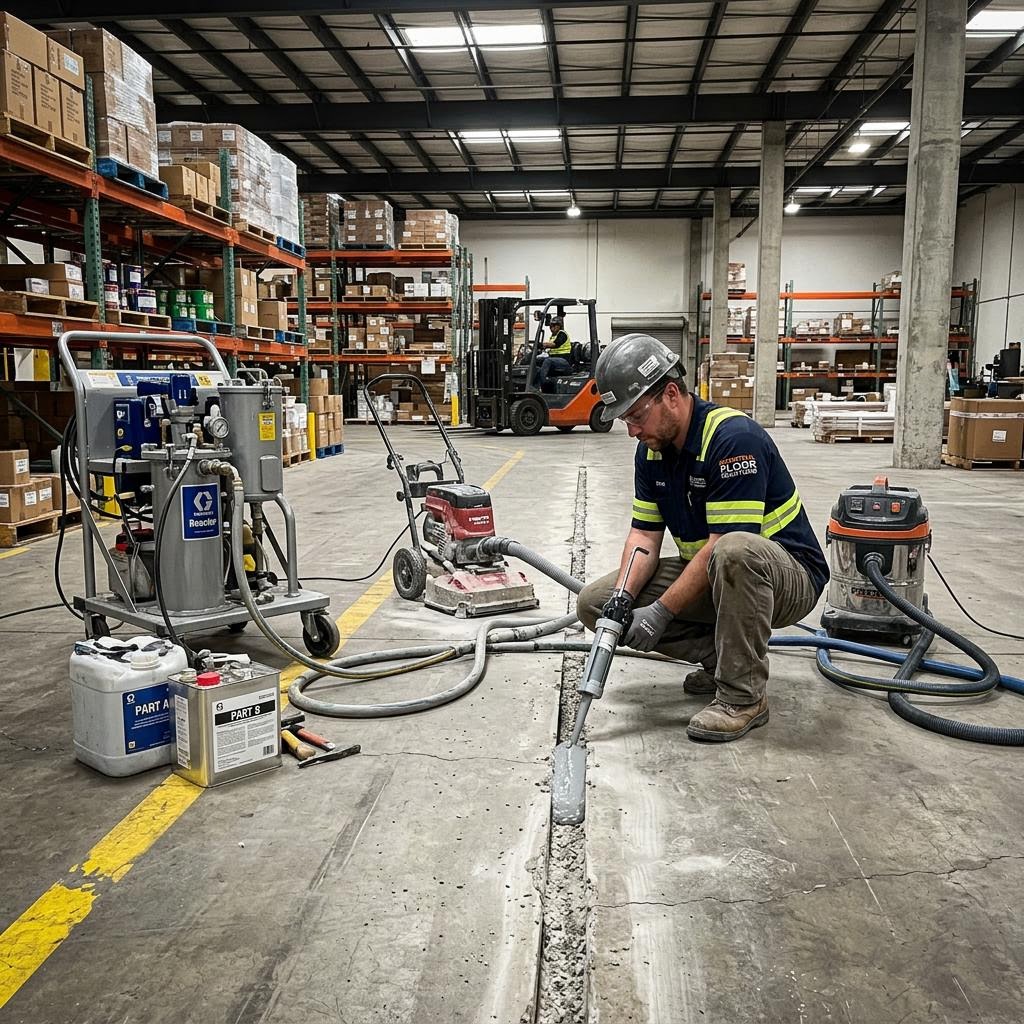
Joint Fill & Crack Repair
Control and construction joints are filled full-depth with semi-rigid polyurea and ground flush after cure. Cracks are classified as dormant or active first, then routed and filled with the matching rigid or flexible material.
- Wheel-Load-Bearing Joint Edges
- Dormant vs. Active Crack Spec
 Overlays & Leveling
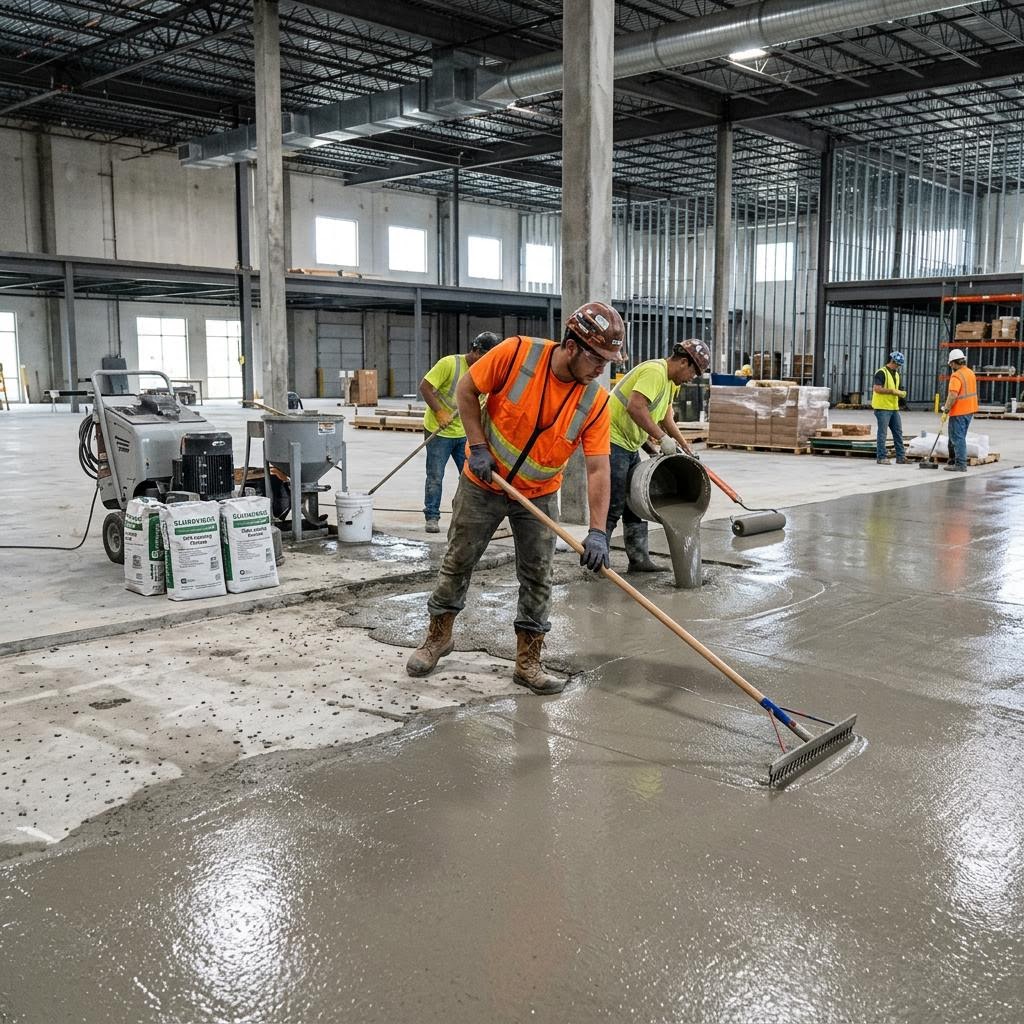
Overlays & Self-Leveling
When the slab is too far gone for spot repair, an overlay creates a new wearable surface. Epoxy mortar rebuilds heavy industrial floors and self-leveling underlayment corrects flatness ahead of finish flooring.
- 1/4" to 1/2" Epoxy Mortar Buildup
- Corrects Major Flatness Issues
 Spall & Surface Repair
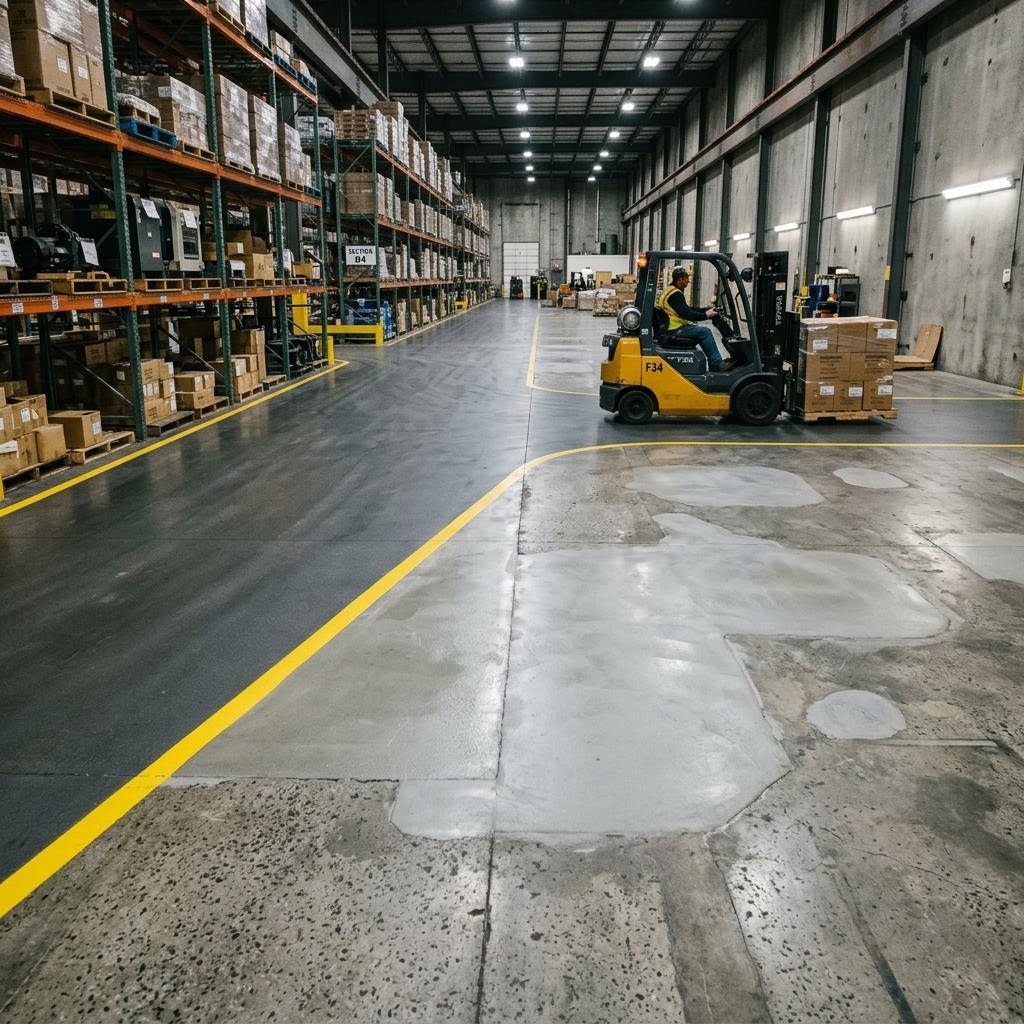
Spall & Surface Restoration
Delaminated and popped-out concrete is removed back to sound material, primed with bonding agent, and rebuilt with cementitious or epoxy repair mortar matched to the surrounding surface profile.
- Removed Back to Sound Concrete
- Profile-Matched Repair Mortar
Project Experience
Completed Concrete Floor Repair & Substrate Restoration Projects
Real project applications show how repair scopes are built around slab condition, the finish system that follows, and the facility's operating schedule.
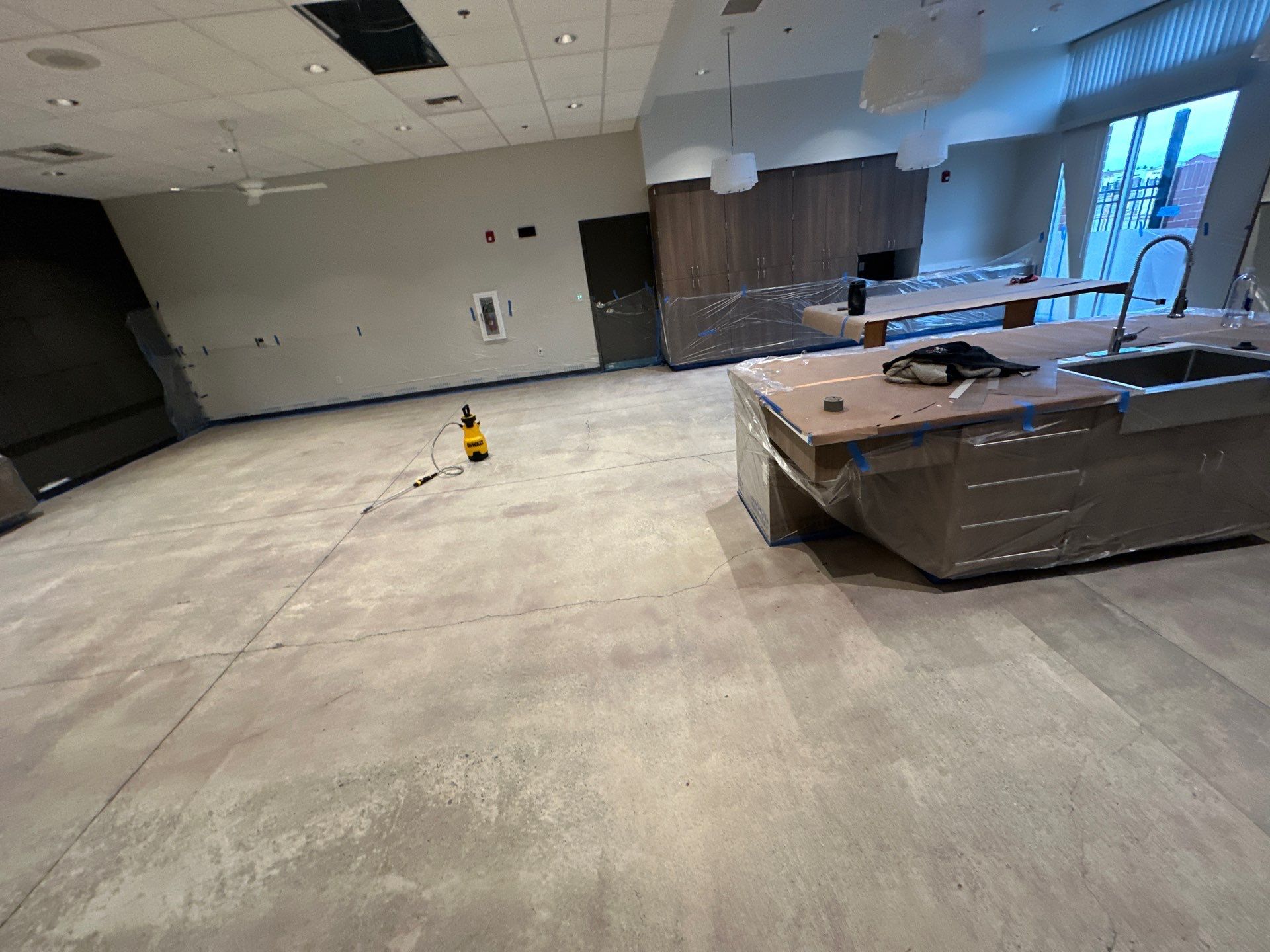
Roseville Fire Station
Fire station apparatus bays take constant punishment from heavy vehicle movement and fluid exposure. Before installing the broadcast epoxy system, DTI performed full substrate repair - filling active cracks, addressing spalled areas, and correcting joint deterioration along the apparatus bay floor. The repair phase ensured the epoxy system had a sound, consistent substrate to bond to across the full floor plate.
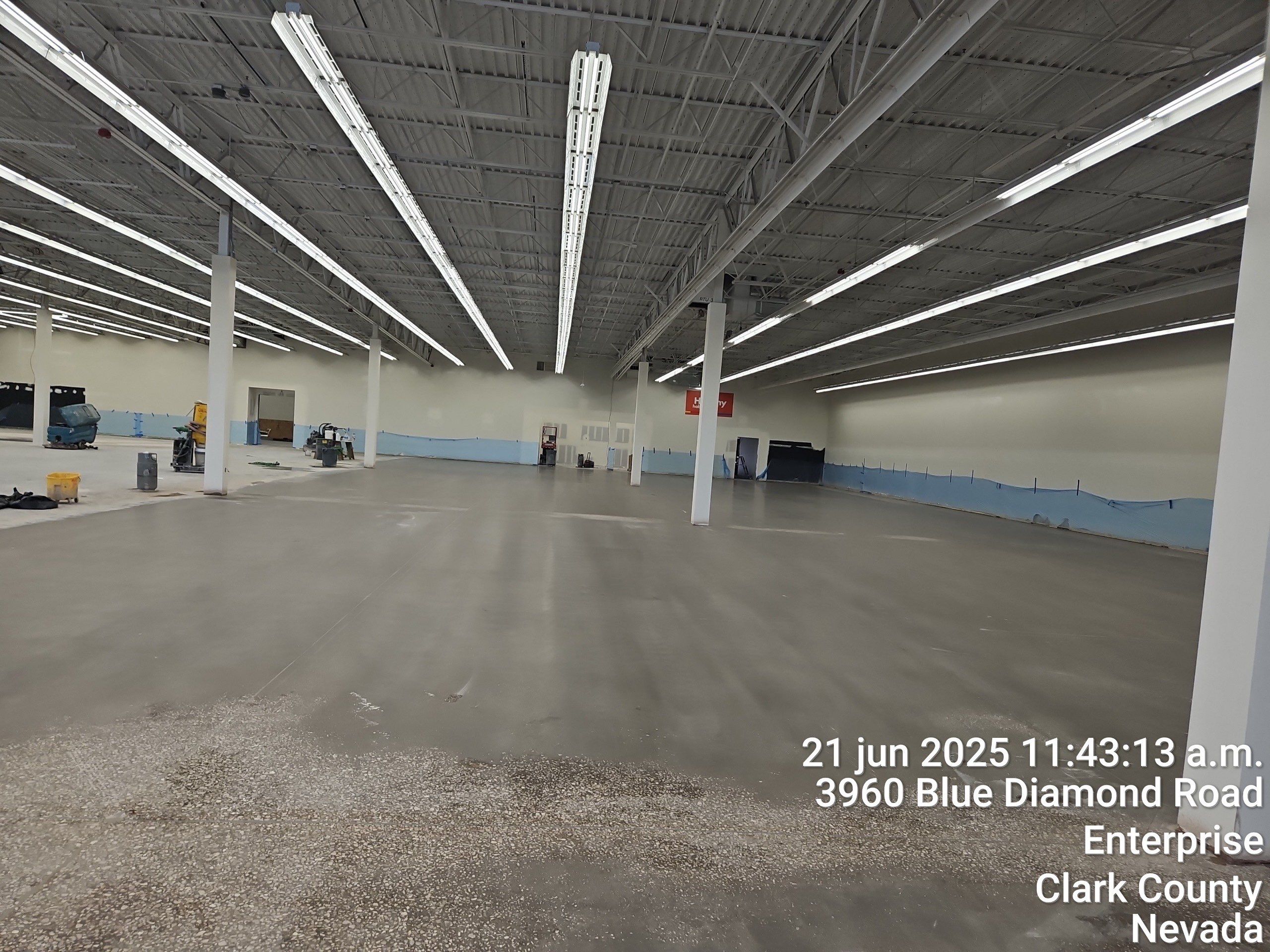
Burlington Store
Retail construction timelines leave little room for substrate issues discovered on site. Before polishing the Burlington floor, DTI assessed and addressed surface defects, filled control joints to the specified detail, and corrected high spots - delivering a flat, consistent surface for the Level 3 polish.
Industries Served
Floor Repair for Warehouses, Plants & Public Facilities
Repair & Overlay Process
Our Concrete Floor Repair & Overlay Process
How is a deteriorated concrete floor repaired? The slab is assessed and moisture tested first, cracks are classified as dormant or active, joints and spalls are rebuilt with materials matched to the movement and load they will see, and the surface is ground or shot blasted to profile before any overlay or coating is installed.
Methodology
Our 6-Step Concrete Repair Protocol
Every defect is identified, documented, and repaired with the correct material before a finish system goes down.
Substrate Assessment & Moisture Testing
Slab condition, crack activity, joint deterioration, and flatness are documented, and moisture vapor emission is tested before any material is specified or priced.
Crack Routing & Classification
Dormant cracks are routed and filled with rigid epoxy injection or semi-rigid polyurea. Active cracks are routed wider and filled with flexible polyurea or polyurethane that accommodates continued movement.
Joint Fill & Edge Restoration
Deteriorated control and construction joints are filled full-depth with semi-rigid polyurea joint filler and ground flush after cure, restoring a hard, wheel-load-bearing joint edge.
Spall Repair & Patching
Loose and delaminated material is removed back to sound concrete, a bonding agent is applied, and the area is rebuilt with cementitious or epoxy repair mortar matched to the surrounding profile.
Grinding, Leveling & Shot Blasting
Diamond tooling removes high spots, ridges, and lippage, and shot blasting strips laitance, contamination, and old coatings while opening the pore structure to the specified surface profile.
Overlay or Finish System Installation
Epoxy mortar, self-leveling underlayment, or a skim coat is placed where the surface is beyond spot repair - then the specified coating, sealer, or polish is installed over a sound substrate.
Why repair before you coat
The most expensive flooring repair is the one that happens 18 months after installation because the substrate wasn't addressed properly the first time. Delaminated epoxy, re-cracked joint fill, and coating failure at spall edges are almost always preventable with correct prep and repair.
Written scope before pricing
DTI's standard pre-installation process includes substrate assessment, moisture testing, and a written repair scope before any flooring system is specified or priced. If your floor needs work before coating, we'll tell you - and include it in the project scope rather than discovering it during installation.
Dormant vs. Active
Crack type assessed before material is specified
Semi-Rigid Fill
Joint filler spec for wheel-load-bearing edges
Written Scope
Repair plan provided before installation pricing
Uncompromising Execution
Why Facilities Choose DTI as Their Floor Repair & Overlay Contractor
Most repair failures aren't caused by bad concrete—they are caused by the wrong filler in the wrong crack and coatings installed over unsound substrate. At DTI, every repair is specified from a documented slab assessment and executed to the material manufacturer's requirements.
Crack Activity Assessed Before Material Is Specified
We determine whether each crack is dormant or still moving before choosing rigid or flexible fill. Rigid fill in an active crack simply cracks again - that decision is made on site, not in a template.
Joints Filled Full-Depth, Never Buried
Control joints are filled with semi-rigid polyurea and ground flush before any coating is installed. Joints are never coated over without being addressed, which is where most warehouse floor systems fail first.
Repair Scope Documented Up Front
Substrate assessment, moisture testing, and a written repair scope are delivered before installation pricing, so owners and GCs are not absorbing change orders after work begins.
Contractor Compliance & Industry Certifications
Repair Scopes
Concrete Repair Services in Detail
Each repair scope can be performed standalone or as the preparatory phase of a coating, sealing, or polishing installation.
Crack Repair
Concrete cracks are categorized as dormant (no longer moving) or active (still moving with thermal cycling or structural load). The repair method depends on the crack type:
Dormant cracks
Routed and filled with rigid epoxy injection or semi-rigid polyurea filler. The rigid fill restores structural continuity across the crack.
Active cracks
Routed wider and filled with flexible polyurea or polyurethane filler that accommodates continued movement without re-cracking. Rigid fill in an active crack will crack again - specifying the wrong material is one of the most common repair failures in the industry.
DTI assesses crack activity before specifying repair material. The right fill for the right crack.
Joint Fill & Restoration
Control joints and construction joints in warehouse and industrial floors deteriorate under forklift wheel impact - the edges chip and spall, creating trip hazards and points where coatings fail. DTI fills deteriorated joints with semi-rigid polyurea joint filler, ground flush after cure. Semi-rigid filler flexes slightly with joint movement while providing a hard, wheel-load-bearing surface at the joint edge.
For new coating installations, joint fill is performed before any epoxy or resinous system is applied - joints are never buried under a coating without being addressed first.
Spall Repair
Concrete spalling - surface delamination and pop-outs - occurs from freeze-thaw cycling, rebar corrosion, impact damage, or poor original concrete mix design. Spalled areas must be repaired before coating or polishing. DTI removes loose material to sound concrete, applies bonding agent, and fills with cementitious or epoxy repair mortar matched to the surrounding surface profile.
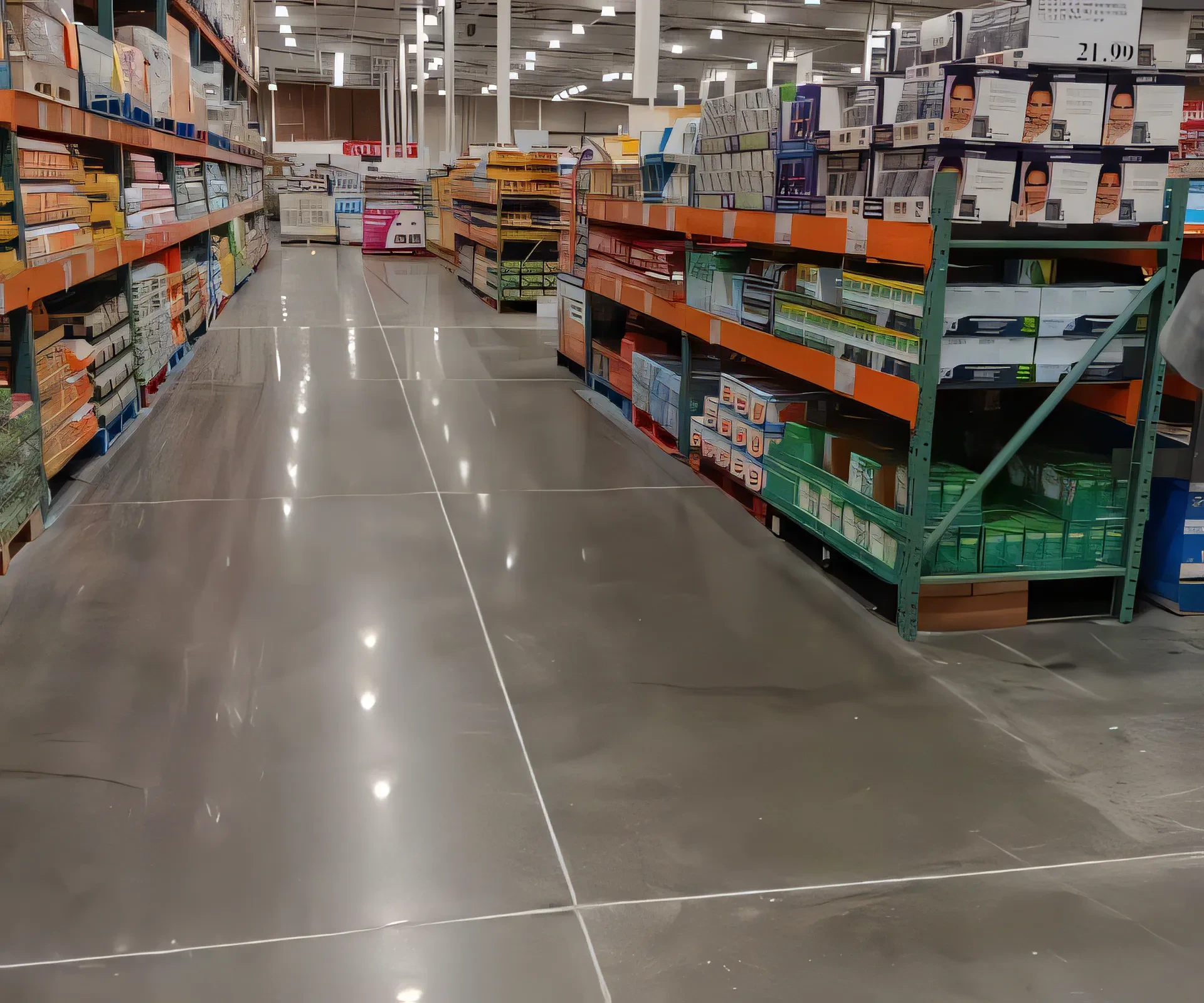
Surface Grinding & Leveling
High spots, ridges, and uneven slabs affect coating adhesion, polished concrete uniformity, and trip hazard risk. DTI grinds high spots and levels surface irregularities using diamond tooling - either as part of full surface preparation or as a standalone corrective scope when flatness is the issue without a full coating installation following.
Shot Blasting & Surface Profile Correction
Shot blasting mechanically cleans and profiles the concrete surface - removing contamination, laitance, and existing coatings while opening the pore structure for improved coating adhesion. DTI operates shot blasting equipment on all preparation scopes and can perform profile correction as a standalone service for facilities preparing to have flooring installed by others.
System Selection
Overlay Systems
When a concrete substrate is too deteriorated, contaminated, or structurally compromised for repair-and-coat, an overlay provides a new wearable surface over the existing slab.
1/4" to 1/2" thickness
High compressive strength, suitable for heavy industrial environments. Rebuilds severely damaged surfaces that can no longer be restored through spot repair alone.
Heavy manufacturing, loading docks, severe damage
Variable - corrects major flatness issues
Thin cementitious overlay for correcting major flatness issues before a finish flooring system is applied. Flows to a consistent plane across an uneven slab.
Substrate prep before finish flooring
1/8" or less
Used to resurface lightly deteriorated surfaces or provide a fresh bonding layer for new coatings. The lightest-weight overlay option when structural integrity is sound.
Light surface restoration, rebonding layer
Verified Client Feedback
Trusted by Facility Managers Nationwide
"Our control joints had been chipping for years and every patch we tried failed within months. DTI routed and filled them with semi-rigid polyurea and ground them flush - two years of forklift traffic later the edges are still intact."
Facility Manager | Distribution Center
"They found active cracks our previous contractor had filled with rigid epoxy and explained exactly why it kept re-cracking. The repair scope was written out before we were quoted, and there were no change orders."
Plant Engineer | Food Processing Facility
"The slab was too far gone for spot repair. DTI placed an epoxy mortar overlay over the worst bays on a weekend schedule and we were back in production Monday morning."
Operations Director | Manufacturing Plant
Answers to Common Questions
Concrete Floor Repair & Overlay Contractor FAQ
What does a concrete floor repair and overlay contractor do?
A concrete floor repair and overlay contractor is a specialized firm that restores deteriorated slabs before they are coated, polished, or returned to service. The scope includes substrate assessment and moisture testing, routing and filling dormant and active cracks, full-depth joint fill with semi-rigid polyurea, spall and delamination repair with bonded repair mortar, diamond grinding and shot blasting for flatness and surface profile, and epoxy mortar, self-leveling, or skim-coat overlays when the existing surface is beyond spot repair.
Nationwide Project Support
Nationwide Concrete Floor Repair & Overlay Contractor
DTI Flooring supports commercial and industrial concrete repair projects across the United States. Facility managers, general contractors and project owners can engage DTI for substrate assessment, crack and joint repair, spall restoration and overlay installation - single locations and multi-site programs.
Primary service: Concrete floor repair & overlay systems
Project audience: Facility managers, GCs & owners
Coverage: Nationwide project support
FloorFront
Related Readings

Warehouse Floor Joint Design: Why Joints Determine How Long Your Floor Lasts
Load transfer, sawcut timing, and the joint spec that prevents premature failure.
Read Article →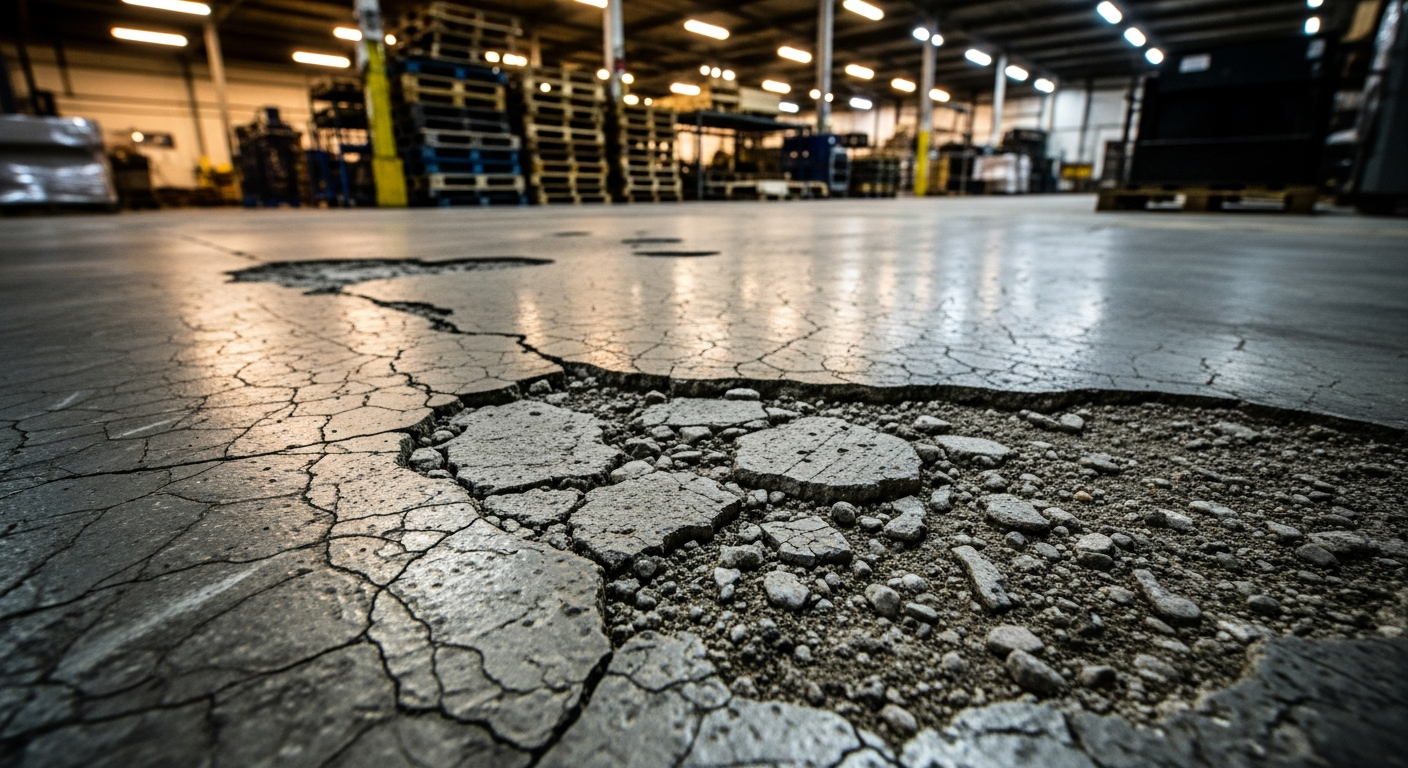
5 Costly Industrial Flooring Mistakes and How to Avoid Them
From skipped surface prep to neglected repairs - the failures that cost the most.
Read Article →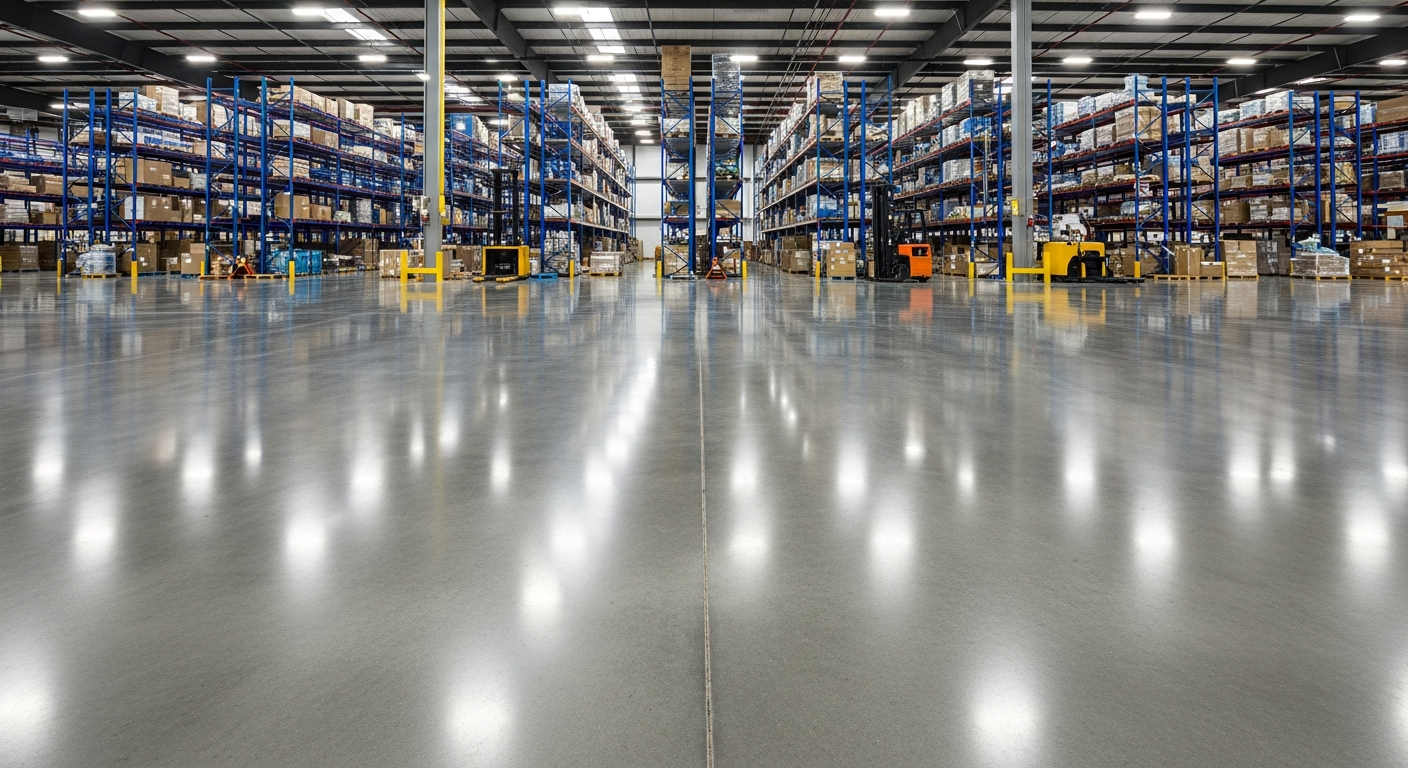
Enduring Concrete Floor Solutions
How repair, coating, and maintenance decisions drive long-term floor life and ROI.
Read Article →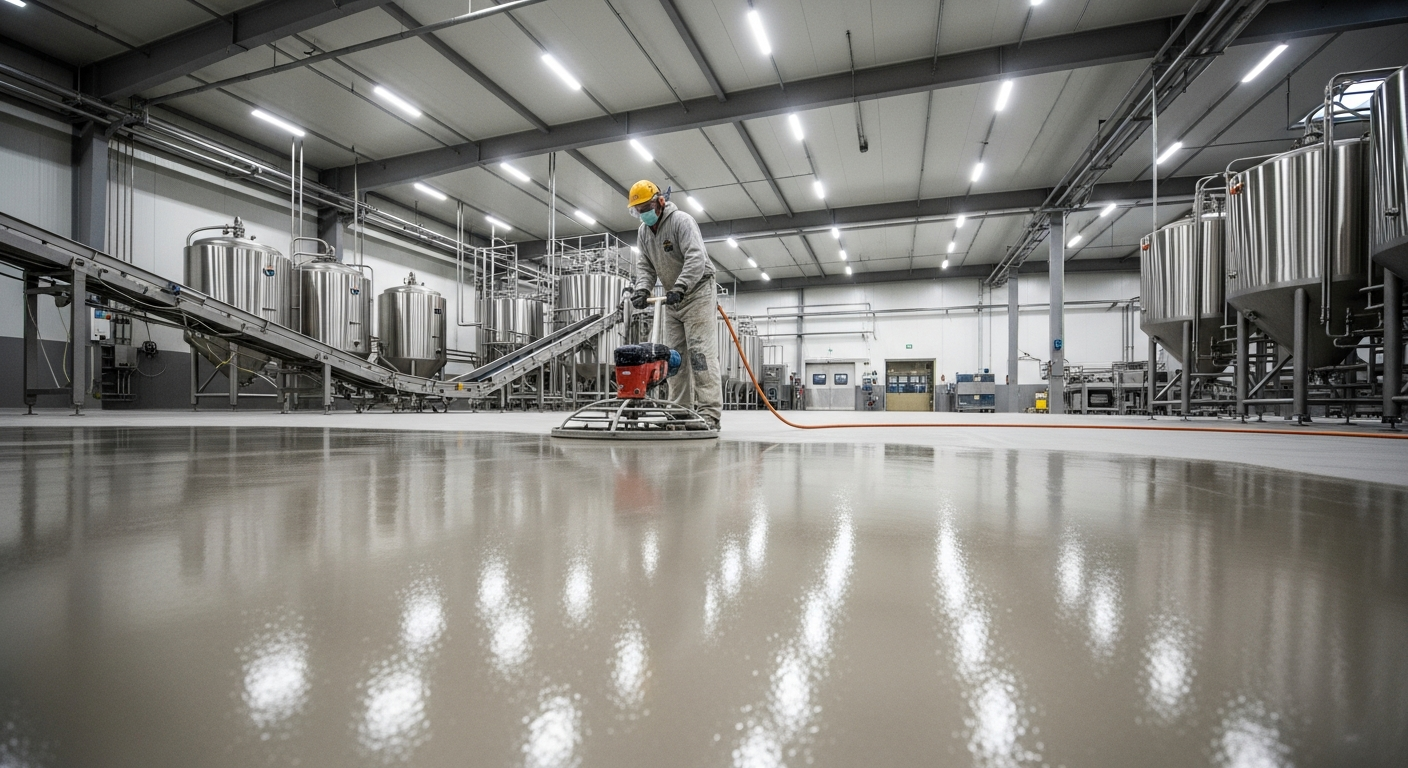
Cold Storage & Dairy Flooring: Why Joints Fail First
Thermal cycling destroys joints first - the low-temp systems that hold up below zero.
Read Article →Serving Commercial and Industrial Facilities Nationwide
DTI works with facility managers, property owners, and general contractors on floor repair and overlay scopes across the United States - standalone repair projects and full substrate preparation ahead of new flooring installations.
Request a Project Consultation