Commercial & Industrial
Floor Maintenance Programs
A new floor is an investment, and how long it lasts depends almost entirely on what happens after installation. DTI provides floor maintenance programs for commercial and industrial facilities nationwide - from scheduled inspections and cleaning protocol guidance through topcoat recoating and full system restoration.
5M+
Sq. Ft. Installed
10+
Years of Experience
100% ICRI
Compliant Surface Prep
99.4%
On-Time Completion Rate
Floor Maintenance Programs
Floor Maintenance Programs Built for Demanding Facilities
The right cleaning protocol, the right inspection schedule, and timely recoating at the correct interval can extend the life of a commercial or industrial floor by decades. DTI builds the program around the installed system and how the facility actually operates - not a generic service calendar.
Engineered Maintenance
High-Performance Floor Maintenance Programs
Maintenance work falls into three scopes: routine care that protects the finish, sheen restoration that brings appearance back, and recoating that resets the wear surface before the base coat is exposed.
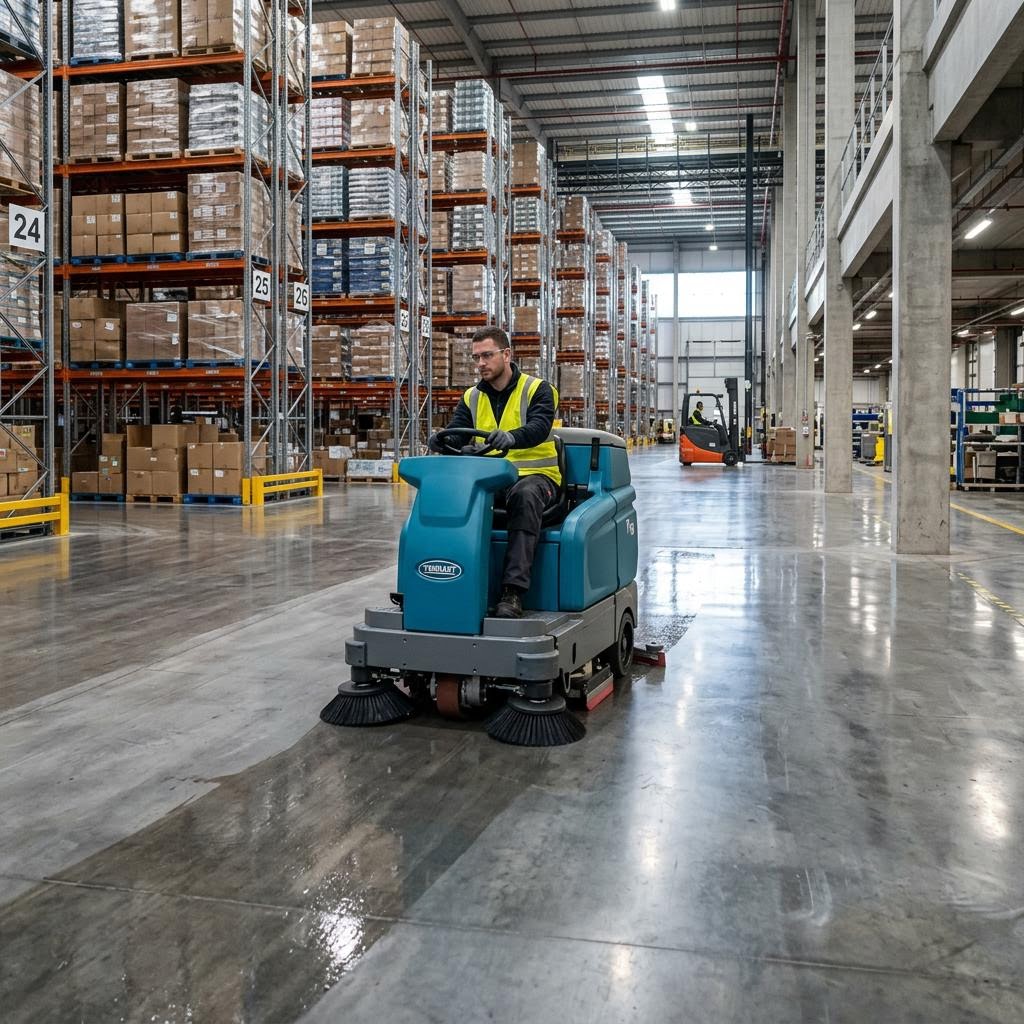 Routine Care
Cleaning Protocols & Routine Care
Written cleaning specifications by floor zone - compatible products, concentrations, application method, and frequency - so daily housekeeping protects the topcoat instead of degrading it.
- Compatible Product Specification
- Zone-by-Zone Cleaning Frequency
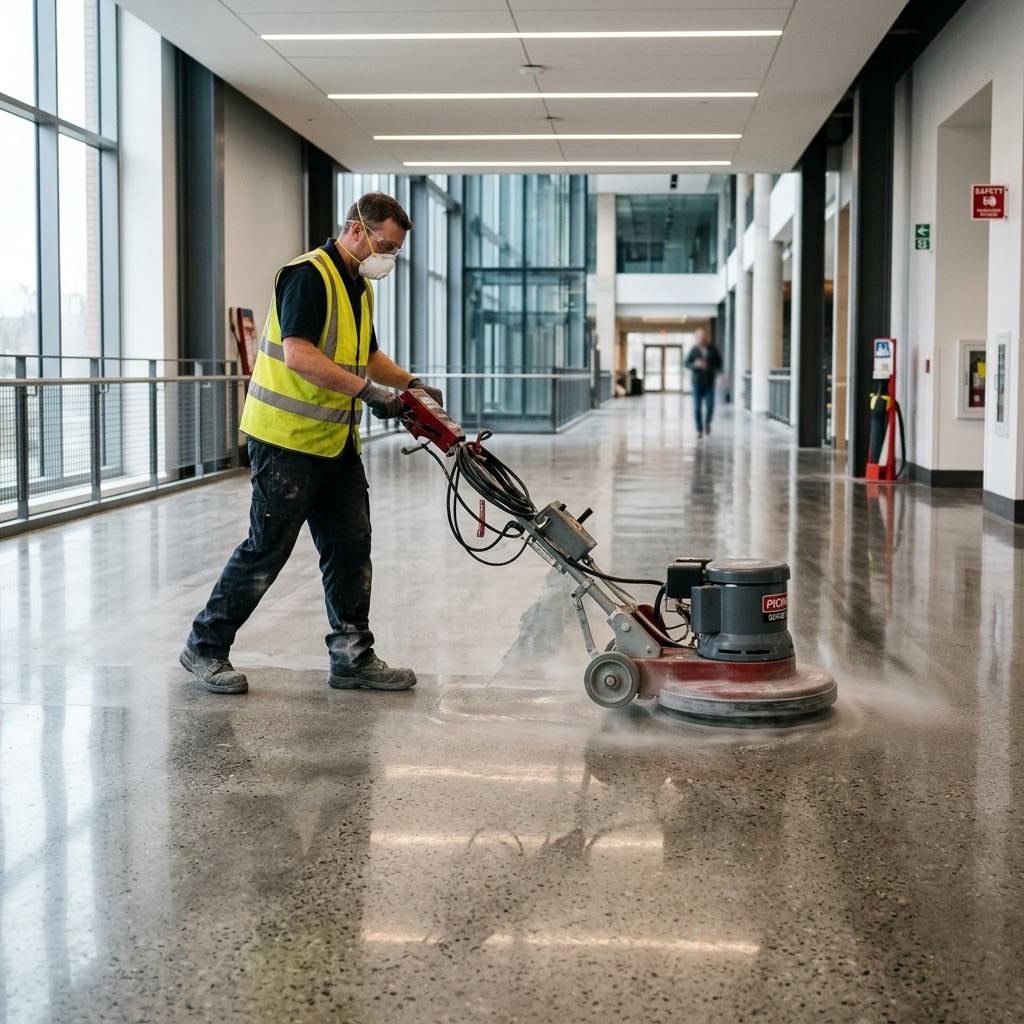 Sheen Restoration
Burnishing & Sheen Restoration
High-speed burnishing restores sheen on polished concrete and sealed floors. Pad type and machine speed are specified per installed system to avoid the heat damage caused by incorrect equipment.
- Pad & Speed Specified Per System
- No Heat Damage to Resinous Floors
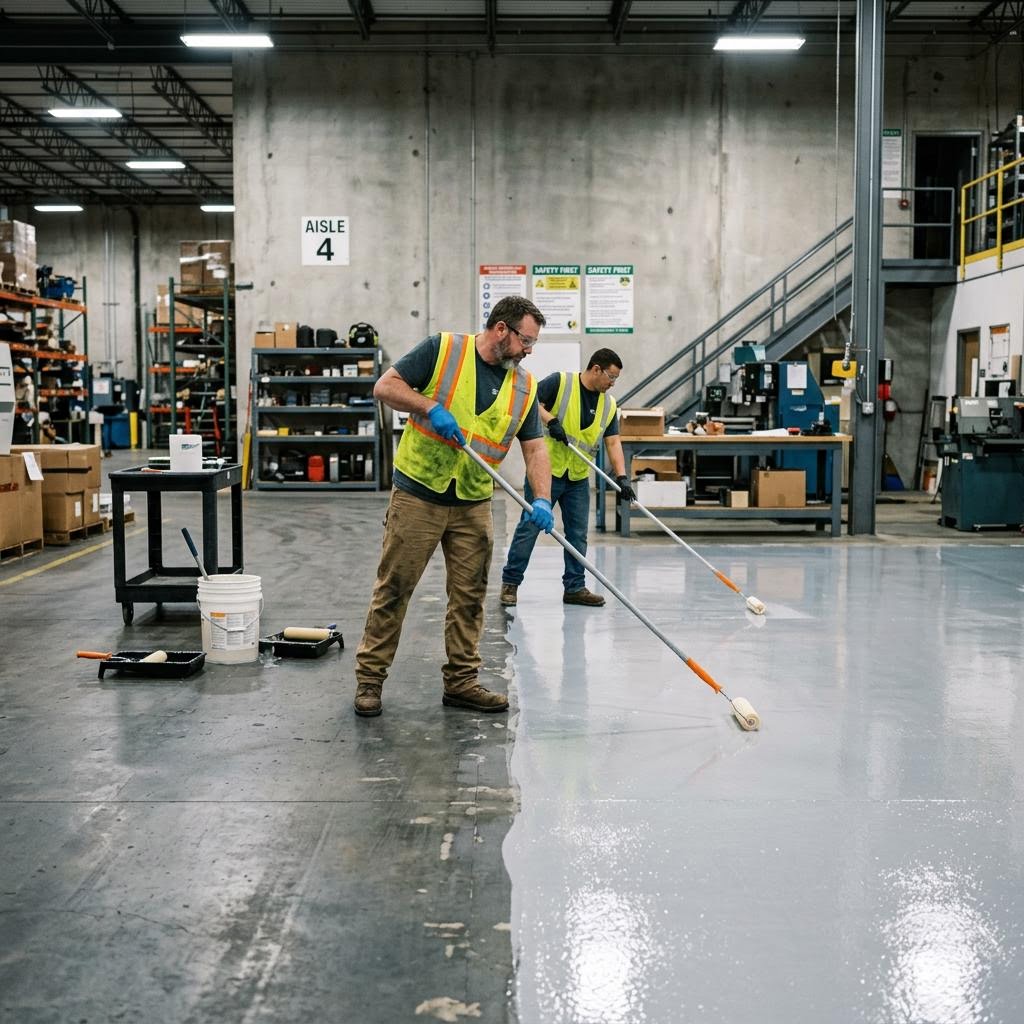 Recoat & Refresh
Topcoat Recoating & Refresh
Reapplication of polyurethane, polyaspartic, or epoxy topcoat over a base coat still in good condition - the most cost-effective way to restore appearance and chemical resistance.
- Base Coat Verified Before Recoat
- Foot Traffic Within 24 Hours
Project Experience
Completed Commercial & Industrial Floor Maintenance Programs
Real program applications demonstrate how inspection intervals, cleaning specifications, and recoat scheduling are selected around traffic, chemical exposure, and operating hours.
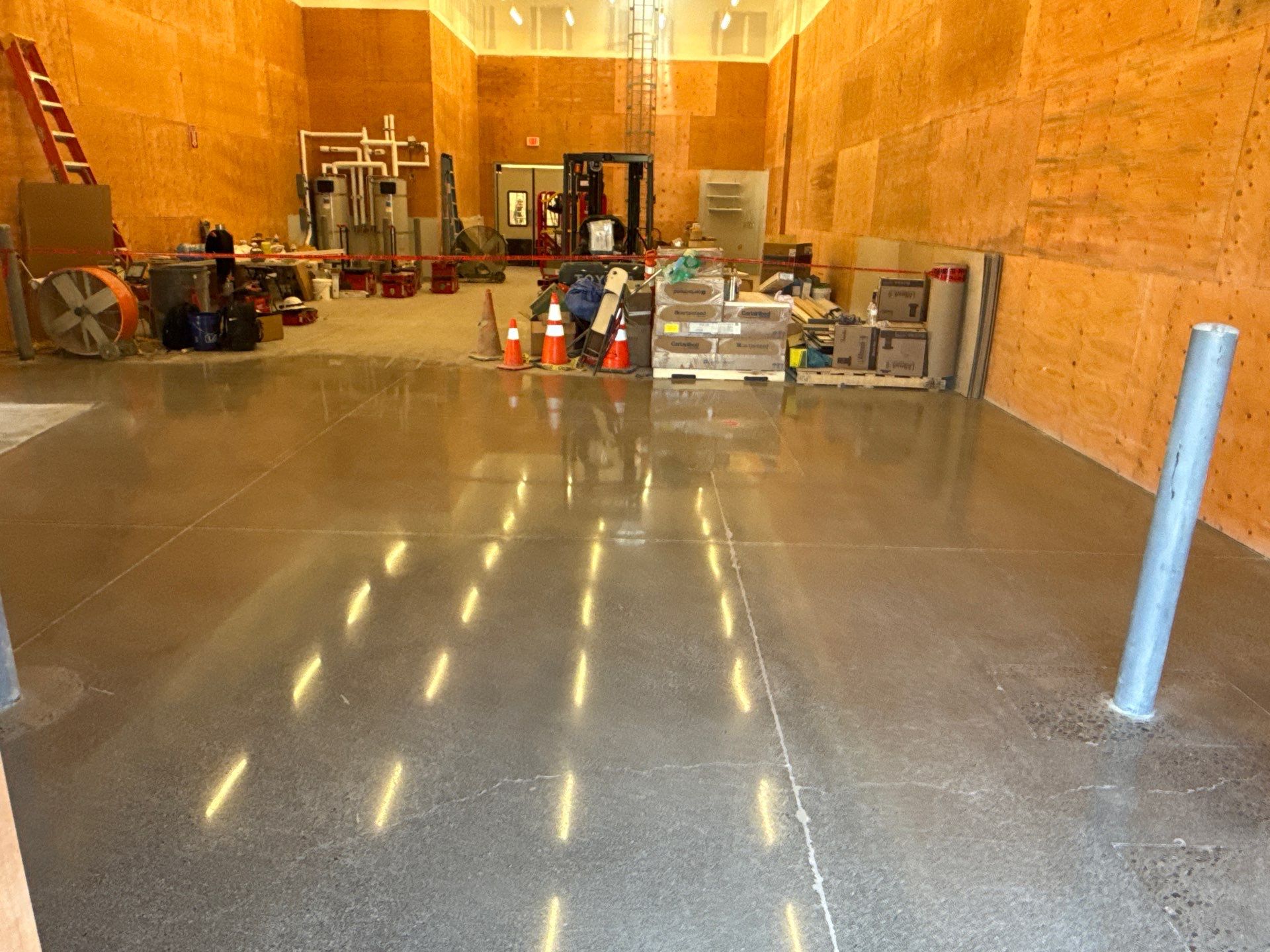
Sweetgreen
Fast-casual restaurant kitchens require a consistent maintenance program to keep urethane cement and sealed concrete floors performing at spec. DTI established a maintenance protocol for Sweetgreen's kitchen and dining floors - including compatible cleaning product specifications, recoat intervals, and anti-slip additive reapplication schedules for the kitchen floor zones.
PetSmart
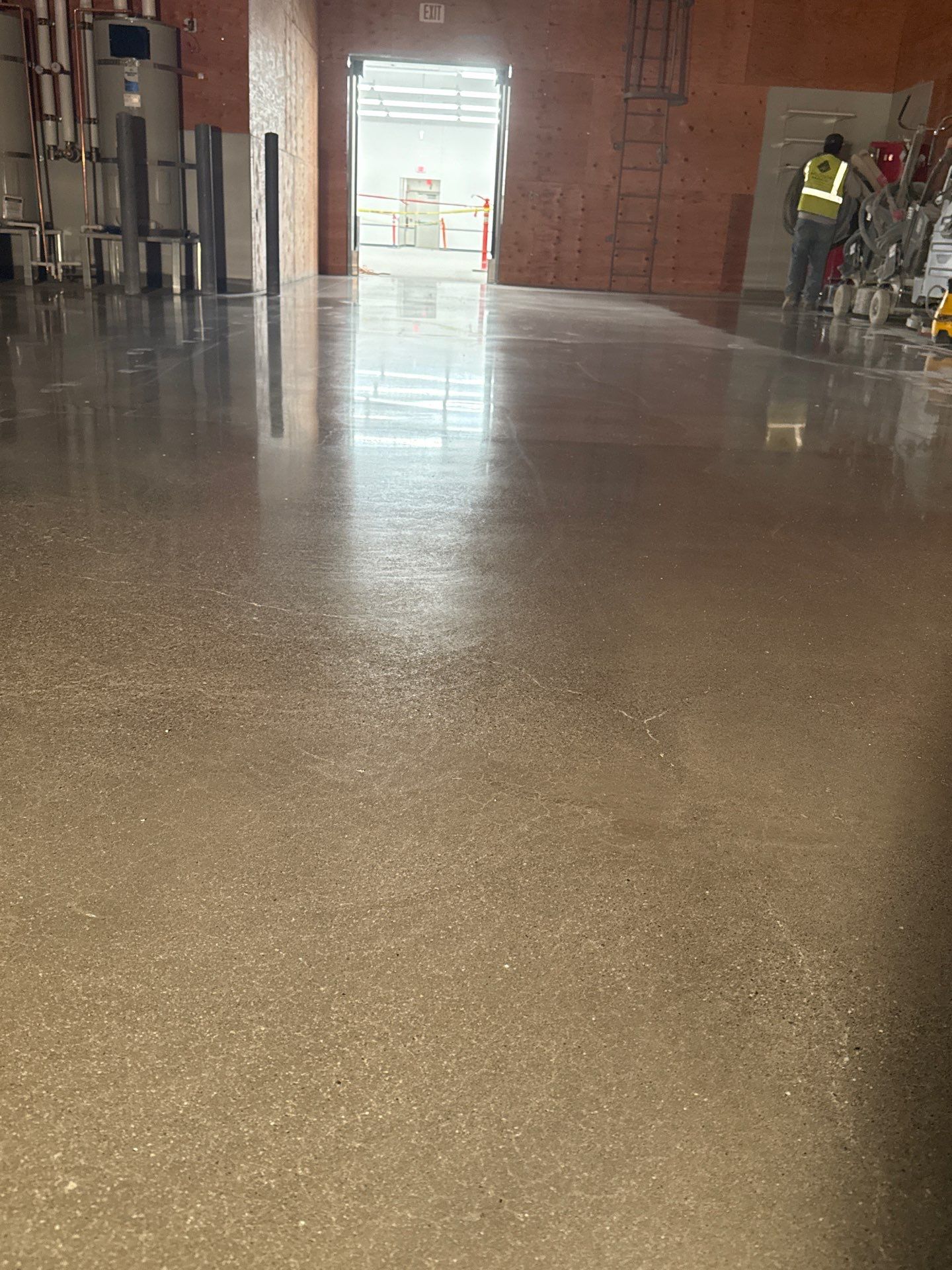
Retail pet care environments combine steady foot traffic with animal-related contamination and frequent chemical cleaning. DTI established a maintenance program for the Davis location that addressed cleaning product compatibility with the installed floor system and scheduled topcoat inspection intervals to catch wear before it reached the base coat.
Industries Served
Floor Maintenance for Retail, Food Service & Industrial Facilities
Maintenance & Recoating Process
Our Floor Maintenance & Recoating Process
How does a floor maintenance program work? The floor is inspected and documented, a cleaning specification is written for each floor zone, and recoating is scheduled at the interval the installed system actually requires. When a recoat is due, the surface is cleaned, mechanically abraded, verified, and topcoated - typically inside one off-shift window.
Methodology
Our 6-Step Floor Maintenance Protocol
Every program starts with a documented condition assessment and ends with a scheduled return date - not a guess.
Inspection & Assessment
Scheduled inspection of topcoat wear, joint condition, coating adhesion, and surface cleanliness. DTI issues a written condition report with recommended action items and timeline so maintenance can be budgeted rather than reacted to.
Cleaning Protocol Development
Written cleaning specification for each floor zone - compatible products, concentrations, application method, and frequency. Provided as standard documentation on every new DTI installation and available standalone for existing floors.
Surface Cleaning & Degreasing
Before any recoat, the floor is cleaned and degreased to remove contamination, residue, and cleaning-product film. Adhesion failures on recoats almost always trace back to a surface that was not fully cleaned.
Scuff Sand & Base Coat Verification
Light mechanical abrasion profiles the existing surface for adhesion, then the base coat is inspected to confirm it is sound and suitable for recoat. If it is not, DTI says so before applying material.
Topcoat Application
Polyurethane, polyaspartic, or epoxy topcoat is applied at the specified film thickness. Anti-slip additive is reapplied in kitchen, washdown, and wet-environment zones where slip resistance has degraded.
Return to Service & Scheduling
Foot traffic typically returns within 24 hours. The next inspection and recoat dates are set based on the installed system and traffic class, so the following service window is already on the calendar.
Recoat before wear-through, not after.
Every topcoat has a service life. Once it wears through to the base coat, moisture, chemicals, and contamination reach the epoxy layer directly and deterioration accelerates. Recoating on schedule is a fraction of the cost of a full system replacement - and it is why DTI documents surface prep to ICRI-compliant repair standards when damage is found during inspection.
Uncompromising Execution
Why Facilities Choose DTI as Their Floor Maintenance Contractor
Most flooring systems do not fail because the wrong product was installed - they fail because no maintenance program was put in place afterward. DTI runs maintenance as a documented, scheduled discipline rather than an emergency call.
Written Condition Reports, Not Verbal Estimates
Every inspection produces a documented report on topcoat wear, joint condition, and adhesion, with recommended action items and timing. Facility managers get something they can budget against.
Cleaning Specifications That Protect the Warranty
We identify the products and concentrations that are compatible with your installed system by floor zone, so daily housekeeping stops shortening topcoat life from 5-7 years to 12-18 months.
Scheduled Around Your Operating Hours
Recoats and burnishing are performed on night and weekend windows with foot traffic typically restored within 24 hours, so stores, kitchens, and warehouses keep running.
Contractor Compliance & Industry Certifications
Common Failure Patterns
Why Maintenance Programs Matter
Most commercial flooring systems fail not because the wrong product was installed - but because no maintenance program was put in place after installation. Three specific failure patterns DTI sees repeatedly:
Many commercial cleaning products contain solvents, high-pH degreasers, or bleach-based compounds that degrade epoxy and polyurethane topcoats over time. Facilities using incompatible cleaning products see their topcoat break down in 12–18 months instead of 5–7 years. DTI provides a written cleaning product specification for every installed floor - listing compatible products and concentrations by floor zone.
Every topcoat has a service life. When a topcoat is allowed to wear through to the base coat, moisture, chemicals, and contamination reach the epoxy layer directly - accelerating deterioration significantly. Recoating on schedule, before wear-through occurs, is a fraction of the cost of a full system replacement.
High-speed burnishing restores sheen on polished concrete and sealed floors - but burnishing at the wrong speed or with the wrong pad type on an epoxy or resinous system causes heat damage and surface degradation. DTI specifies correct burnishing equipment and pad selection for each floor type.
Scope of Work
Floor Maintenance Services
Individual services can be engaged on their own or bundled into a scheduled annual or biannual program.
Scheduled floor inspections to assess topcoat wear, joint condition, coating adhesion, and surface cleanliness. DTI provides a written condition report with recommended action items and timeline - giving facility managers the information to plan maintenance budgets rather than react to failures.
Written cleaning specifications for each floor zone in the facility - compatible cleaning products, concentrations, application method, and frequency. Provided as standard documentation on every new DTI installation and available as a standalone service for existing floors.
Reapplication of polyurethane, polyaspartic, or epoxy topcoat over an existing base coat system in good condition. Recoating is the most cost-effective way to extend floor life - significantly cheaper than full system replacement and able to restore appearance and chemical resistance to near-new condition when performed on schedule.
Anti-slip aggregates in kitchen, washdown, and wet-environment floors wear down over time. DTI reapplies anti-slip additive as part of recoating scopes or as a standalone surface treatment when slip resistance has degraded below acceptable levels.
High-speed burnishing to restore sheen on polished concrete and sealed floors. DTI specifies pad type and machine speed based on the installed floor system - preventing the surface damage that results from incorrect burnishing equipment.
Annual or biannual maintenance contracts for commercial and industrial facilities. Includes scheduled inspections, cleaning protocol updates, minor repair, and recoating on the correct interval for the installed system and traffic class. Planned maintenance programs eliminate emergency repair costs and extend system life predictably.
Service Intervals
Maintenance Intervals by System
General guidelines - actual intervals depend on traffic class, chemical exposure, and cleaning frequency.
| Flooring System | Inspection Interval | Recoat / Reapplication Interval |
|---|---|---|
| Broadcast epoxy - commercial traffic | 3 years | 5–7 years under normal conditions |
| Broadcast epoxy - heavy industrial / forklift | 18 months | 3–4 years |
| Polished concrete | As needed for sheen | Guard sealer every 1–2 years; burnish as needed |
| Urethane cement | 2 years | 4–5 years (food service environments) |
| Sealed concrete | 1–2 years | Sealer reapplication every 2–3 years |
Program Support
Supplies & Maintenance Specialist
Order compatible maintenance products directly, or speak with DTI's maintenance team about setting up a scheduled program.
Order Maintenance Supplies
Guards, sealers, cleaning products, and burnishing pads available through DTI's supply store.
Visit DTI Coatings & Supplies →Maintenance Specialist
Contact DTI's maintenance team directly to schedule service or discuss a program:
David Philip
Verified Client Feedback
Trusted by Facility Managers Nationwide
"DTI caught topcoat wear in two aisles during a routine inspection, and we recoated before it reached the base coat. That inspection saved us a full system replacement."
Facility Manager | Distribution Center
"The cleaning specification they wrote for each zone was the missing piece. Our crews were using a degreaser that was eating the topcoat and nobody knew."
Operations Director | Food Processing Plant
"Recoat was done over a weekend and the store opened Monday morning on schedule. Straight answers on what actually needed doing and what could wait."
Regional Maintenance Lead | Retail Chain
Answers to Common Questions
Floor Maintenance Contractor FAQ
What does a floor maintenance contractor do?
A commercial floor maintenance contractor manages the service life of an installed floor after construction is complete. That includes scheduled floor inspections and written condition reports, cleaning product and procedure specifications by floor zone, burnishing and sheen restoration, anti-slip additive reapplication, minor repair, and topcoat recoating or sealer reapplication at the correct interval for the installed system and traffic class.
Nationwide Project Support
Nationwide Floor Maintenance Program Contractor
DTI Flooring supports commercial and industrial floor maintenance programs across the United States. Facility managers, property owners, and national accounts can engage DTI for scheduled inspections, cleaning protocol development, burnishing, anti-slip reapplication, and topcoat recoating - single locations and multi-site programs.
Primary service: Commercial & industrial floor maintenance
Project audience: Facility managers, owners & national accounts
Coverage: Nationwide project support
FloorFront
Related Readings
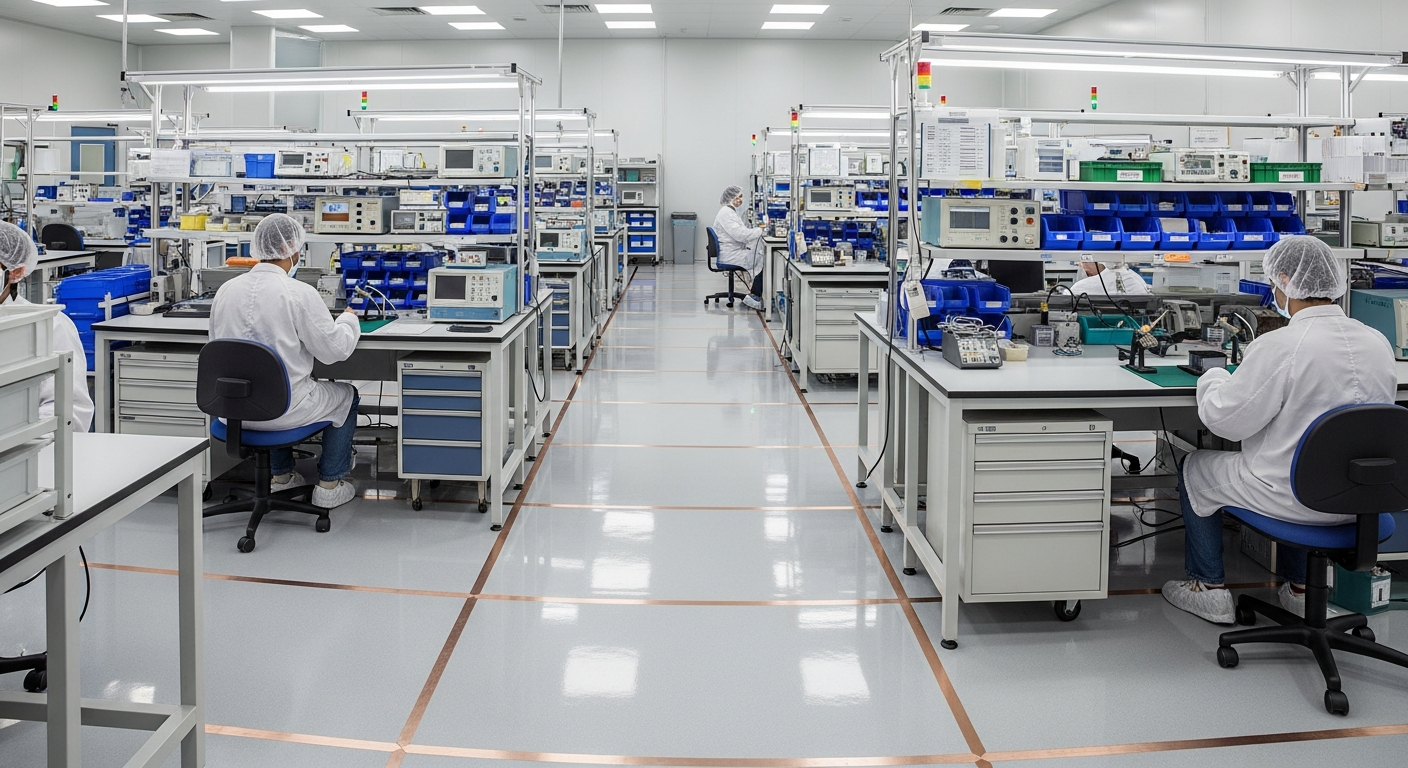
Low-Maintenance Flooring Solutions for Electronics Facilities
How system selection up front reduces the cleaning and recoat burden later.
Read Article →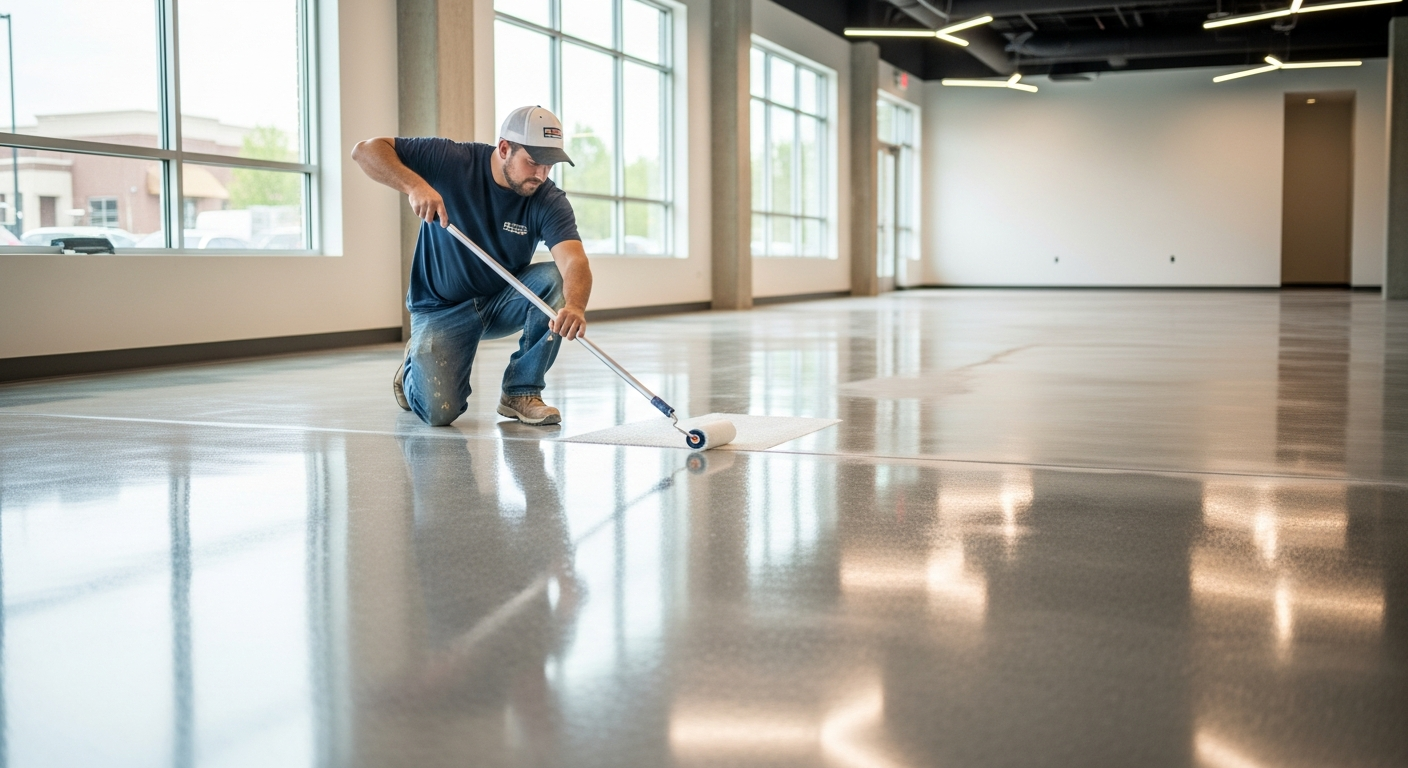
Extend Life of Concrete Flooring with Effective Sealing
Why sealer reapplication intervals matter more than the sealer you picked.
Read Article →
How Industrial Epoxy Flooring Delivers Long-Term Cost Savings
The maintenance math behind total cost of ownership on a warehouse floor.
Read Article →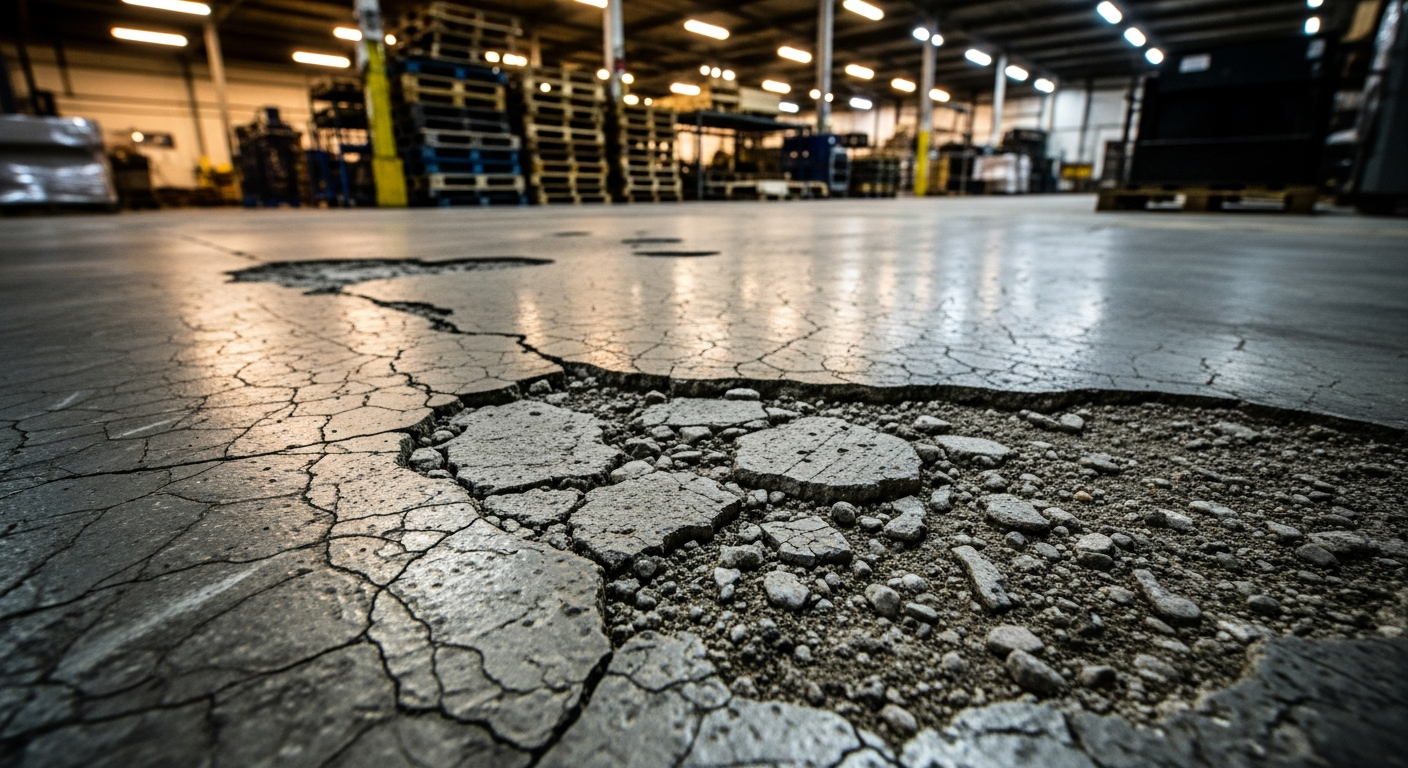
5 Costly Industrial Flooring Mistakes and How to Avoid Them
Deferred maintenance and the wrong cleaning chemicals top the list.
Read Article →Serving Commercial and Industrial Facilities Nationwide
DTI works with facility managers and property owners on floor maintenance programs across the United States - single locations and multi-site programs for national accounts.
Request a Project Consultation