Specialized Flooring:
ESD, Clean Room & Anti-Slip Contractor
Electrostatic discharge is invisible, instantaneous, and expensive - and standard epoxy or bare concrete provides no static protection at all. DTI installs electrostatic dissipative (ESD), clean room, and anti-slip flooring systems for facilities where floor performance is a compliance requirement, not an afterthought. Every static-control installation is grounded and tested to ANSI/ESD S20.20 before the facility returns to operation.
5M+
Sq. Ft. Installed
10+
Years of Experience
100% ICRI
Compliant Surface Prep
99.4%
On-Time Completion Rate
Specialized Flooring Services
Specialized Flooring Built for Demanding Facilities
A specialized floor is specified by the performance it has to deliver - a resistance range, a particle classification, a traction requirement - not by color or gloss. DTI builds the system around the standard your facility has to meet and verifies it before handover.
Engineered Systems
High-Performance Specialized Flooring Systems
Static control, particle control, and traction are three different engineering problems. DTI specifies the resin system, grounding, and surface texture around the one your facility actually has - and frequently combines them in a single assembly.
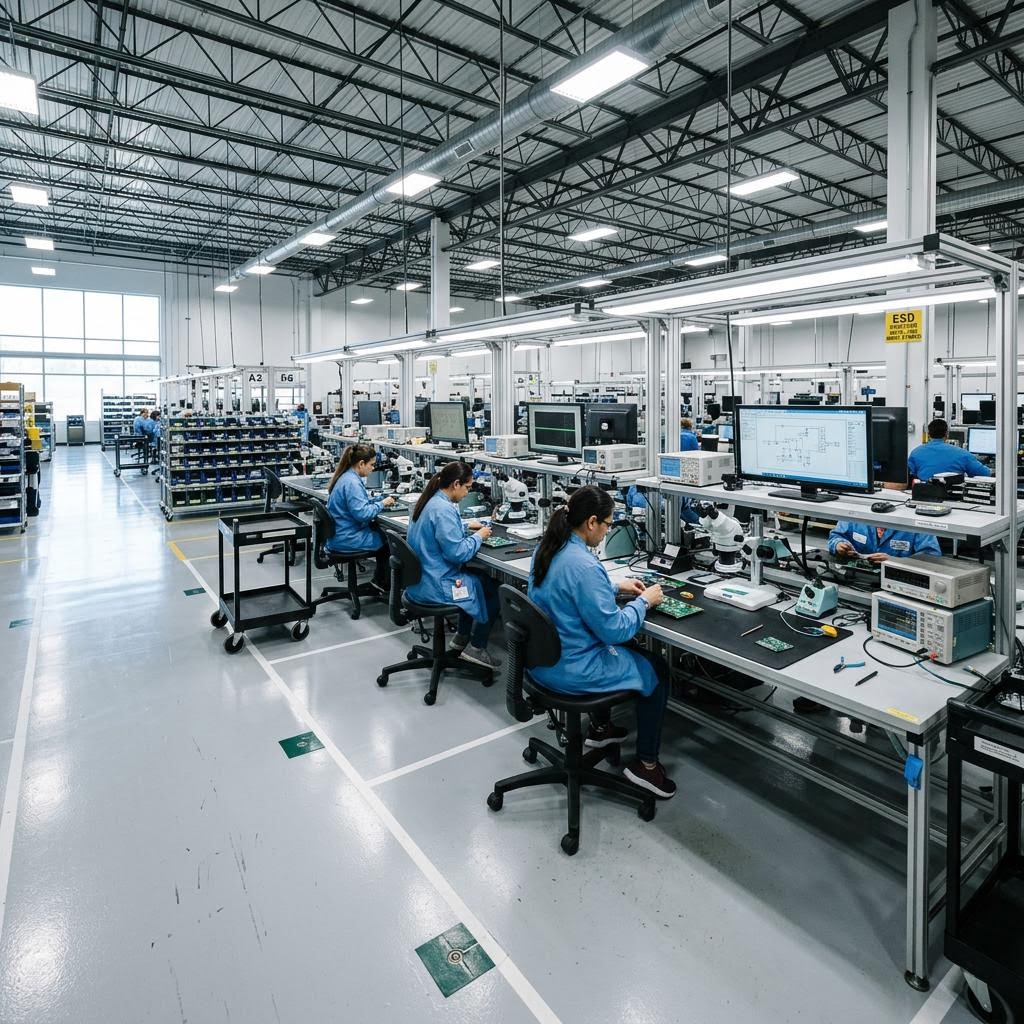 ESD / Static Control
ESD & Conductive Systems
Grounded electrostatic dissipative and conductive resin floors for electronics manufacturing, data centers, and labs. Copper ground straps are installed and continuity verified, then resistance is tested to confirm the specified range.
- Tested to ANSI/ESD S20.20
- Documented Resistance Readings
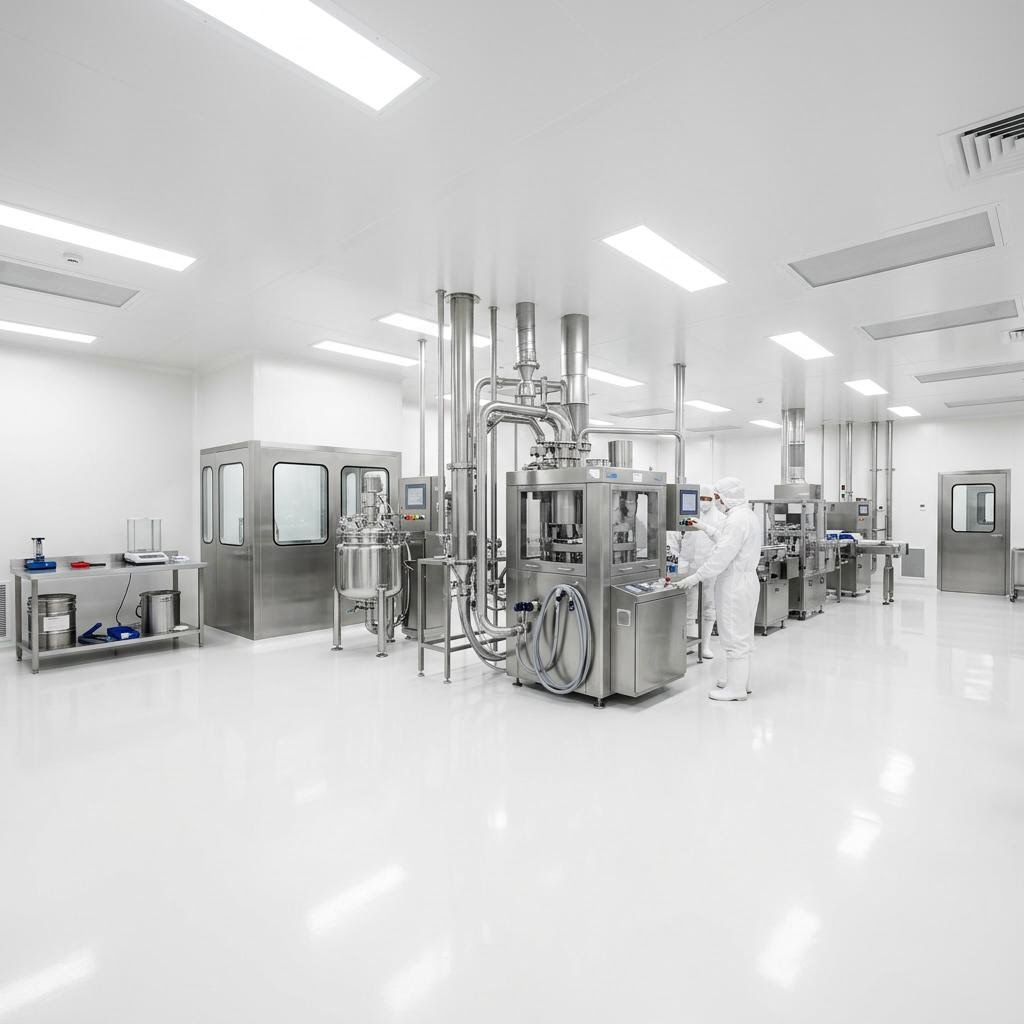 Clean Room
Clean Room & Controlled Environments
Seamless, non-porous, low-outgassing systems compatible with ISO 14644 cleanroom classifications. Coved integral bases eliminate the wall-to-floor joint where particles and contaminants collect.
- Low Particle Generation
- Coved Integral Base Detailing
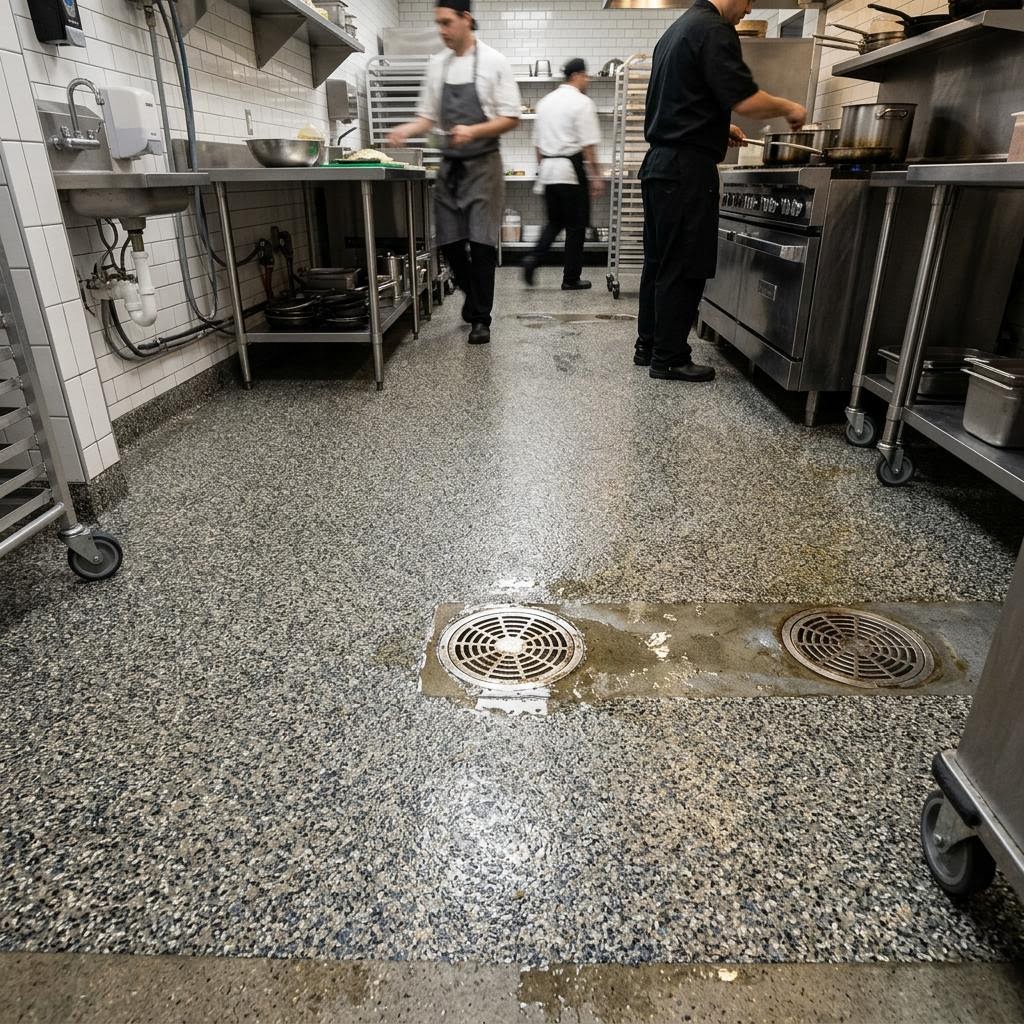 Anti-Slip & Wet Areas
Anti-Slip & Wet-Area Systems
Broadcast quartz, aluminum oxide, and silica aggregate systems engineered for wet processing, washdown zones, ramps, and kitchens where traction is a safety requirement.
- Engineered Traction Profile
- Washdown & Sanitation Ready
Project Experience
Completed ESD & Specialized Flooring Projects
Real project applications demonstrate how static-control specifications are selected around equipment sensitivity, compliance documentation, and facility operating schedules.
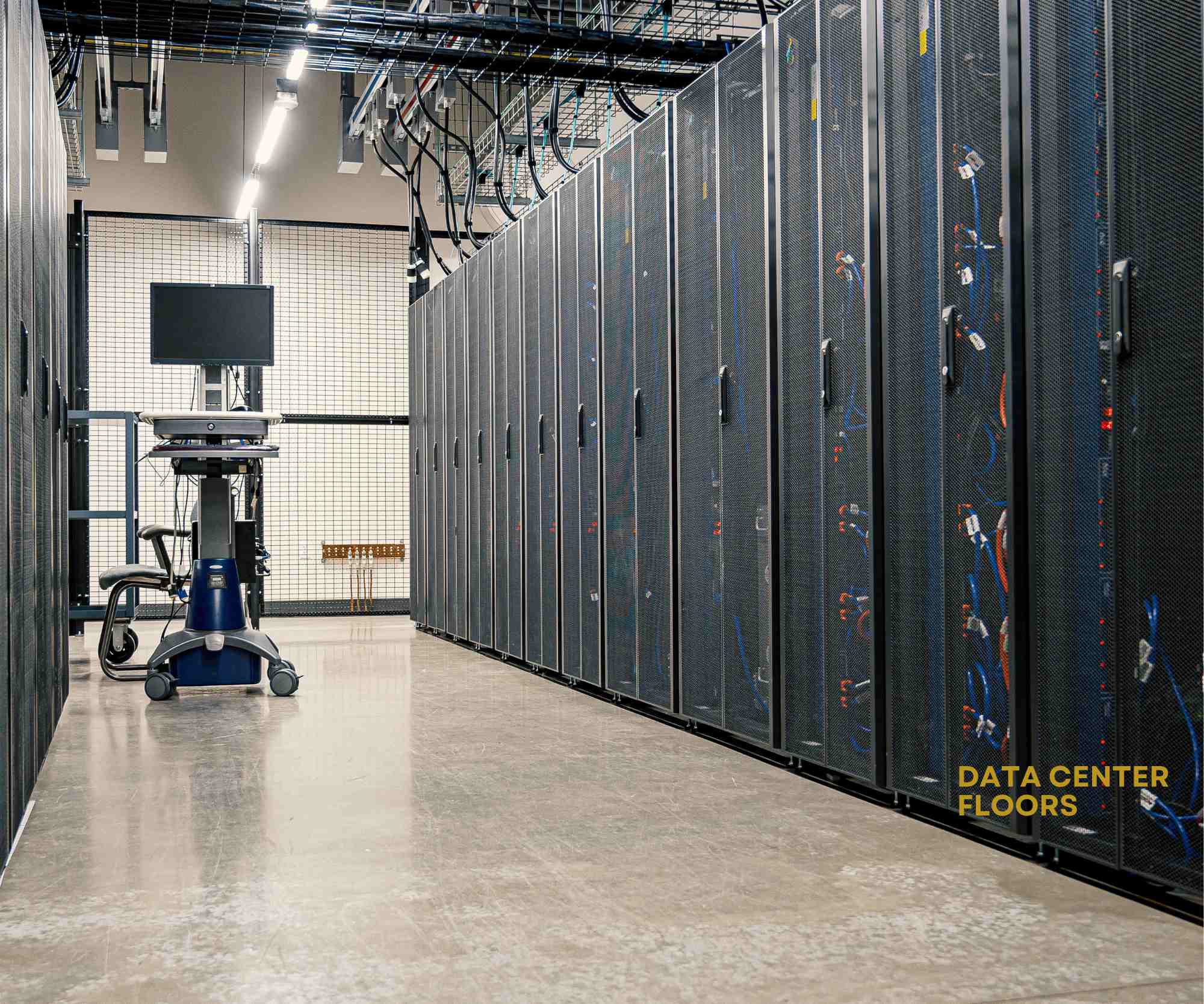
Opener Solutions
Opener Solutions' Palo Alto facility required ESD-safe flooring across its operations floor to protect sensitive hardware from electrostatic discharge events. DTI specified and installed a grounded ESD epoxy system, tested post-installation to confirm resistance values within the ANSI/ESD S20.20 compliance range. The finished floor provided both functional static protection and a clean, professional surface appropriate for a technology environment.
Industries Served
Specialized Flooring for Clean Rooms, Data Centers & Controlled Environments
Installation & Testing Process
Our ESD & Specialized Flooring Installation Process
How is an ESD floor installed and verified? Every DTI specialized flooring installation follows a structured sequence from substrate assessment through post-installation testing. The floor is mechanically prepared, grounded to earth, built up in primer, conductive basecoat, and dissipative topcoat layers, then measured with a concentric ring electrode. Compliance documentation is provided at project close.
Methodology
Our 6-Step ESD Installation & Testing Protocol
Every square foot is prepared, grounded, coated, and resistance-verified before the facility returns to operation.
Substrate Assessment
Evaluate concrete condition, moisture vapor emission, and existing floor systems to confirm the slab can carry a static-control or cleanroom assembly.
Surface Preparation
Mechanical grinding or shot blasting to correct surface profile. Crack and joint repair completed before ESD system application.
Ground Strap Installation
Copper ground straps installed to connect the floor system to earth ground, with continuity verified before any resin is applied.
ESD System Application
Primer, ESD conductive basecoat, and dissipative topcoat applied in sequence. Anti-slip aggregate or coved base detailing is integrated here when specified.
Post-Installation Testing
Resistance measurements taken across the floor surface using a concentric ring electrode to the ANSI/ESD STM7.1 test method.
Documentation
Resistance test results documented by location and provided to the client for compliance records.
Compliance Standards
- • ANSI/ESD S20.20 - installation compliance standard
- • ANSI/ESD STM7.1 - post-installation resistance testing method
- • ISO 14644-1 - cleanroom air cleanliness classification
Uncompromising Execution
Why Facilities Choose DTI as Their Specialized Flooring Contractor
Most static-control failures aren't caused by the coating - they are caused by missing ground paths, untested floors, and systems specified from a product sheet instead of the facility's actual compliance requirement. At DTI, every specialized floor is grounded, measured, and documented.
Grounding Installed and Verified
Copper ground straps are installed to earth ground and continuity is confirmed before the system is built up. An ESD floor with no verified ground path provides no protection.
Resistance Tested, Not Assumed
Finished floors are measured with a concentric ring electrode to ANSI/ESD STM7.1 and readings are recorded by location, so your compliance file reflects the floor you actually received.
Clean Room and Wet-Area Detailing
Coved integral bases, seamless transitions, and engineered anti-slip broadcast are detailed into the specification so the floor satisfies particle control and traction requirements at the same time.
Contractor Compliance & Industry Certifications
System Selection
How ESD Flooring Works
ESD flooring systems work by controlling the electrical resistance of the floor surface - preventing charge from accumulating on people, equipment, and materials moving across it. There are two performance categories:
10⁶ – 10⁹ ohms surface resistance
Dissipates static charge gradually and safely. The standard specification for most electronics manufacturing, data center, and laboratory environments.
Below 10⁶ ohms surface resistance
Faster charge dissipation for environments with the most sensitive equipment or explosive atmospheres. Less common - required only when the ESD specification calls for it explicitly.
Both categories require a proper ground connection from the floor to an earth ground point. An ESD floor with no ground path provides no protection. DTI installs ground straps and verifies continuity as a standard part of every ESD installation.
Applications
Specialized Environments We Serve
Static control, particle control, and traction requirements show up differently in every facility type. These are the environments DTI specifies for most often.
Circuit boards, semiconductors, and electronic assemblies are vulnerable to ESD damage during production, testing, and assembly. ESD flooring in manufacturing lines protects components from the moment they enter the facility floor.
Server hardware and networking equipment can be damaged by discharge events during installation and maintenance. ESD flooring is standard specification in Tier II and above data center environments.
Cleanroom flooring must meet both particle-generation requirements and static control specifications simultaneously. DTI installs ESD systems compatible with ISO cleanroom classifications - low-outgassing, seamless, and verified to resistance spec.
Static charge in pharmaceutical production environments can cause powder agglomeration, contamination, and product quality failures. ESD flooring is required in many GMP-regulated production areas.
Prototype development, testing labs, and R&D environments handling sensitive components require static control as a baseline facility requirement.
High-volume industrial operations with automated equipment, robotics, or sensitive control systems benefit from ESD flooring in critical zones - preventing costly downtime from equipment faults caused by electrostatic events.
Verified Client Feedback
Trusted by Facility Managers Nationwide
"DTI installed and grounded our ESD floor across two production bays and handed over resistance readings by location. Our quality team dropped the documentation straight into the S20.20 compliance file."
Facility Manager | Electronics Manufacturing
"The cleanroom floor came in seamless with coved bases and no outgassing issues during startup. We passed our classification testing on the first attempt."
Quality Systems Manager | Pharmaceutical Facility
"Our wet processing area was a constant slip complaint. DTI specified the aggregate broadcast around our washdown routine, and the traction has held up without making the floor impossible to clean."
Operations Manager | Food Processing Plant
Answers to Common Questions
Specialized Flooring Contractor FAQ
What does a specialized flooring contractor do?
A specialized flooring contractor installs performance-engineered floor systems for environments where a standard coating is not sufficient: electrostatic dissipative (ESD) and conductive floors grounded and tested to ANSI/ESD S20.20, seamless low-outgassing cleanroom floors compatible with ISO 14644 classifications, and aggregate-broadcast anti-slip systems for wet processing and washdown areas. The work includes substrate assessment and moisture testing, mechanical surface preparation, ground strap installation, resin system application, post-installation resistance or slip-resistance verification, and compliance documentation.
Nationwide Project Support
Nationwide ESD & Specialized Flooring Contractor
DTI Flooring supports ESD, clean room, and anti-slip flooring projects across the United States. Facility managers, project engineers, and general contractors can engage DTI for system specification, grounded installation, resistance testing, and compliance documentation - single locations and multi-site programs.
Primary service: ESD, clean room & anti-slip flooring
Project audience: Facility managers, engineers & GCs
Coverage: Nationwide project support
FloorFront
Related Readings
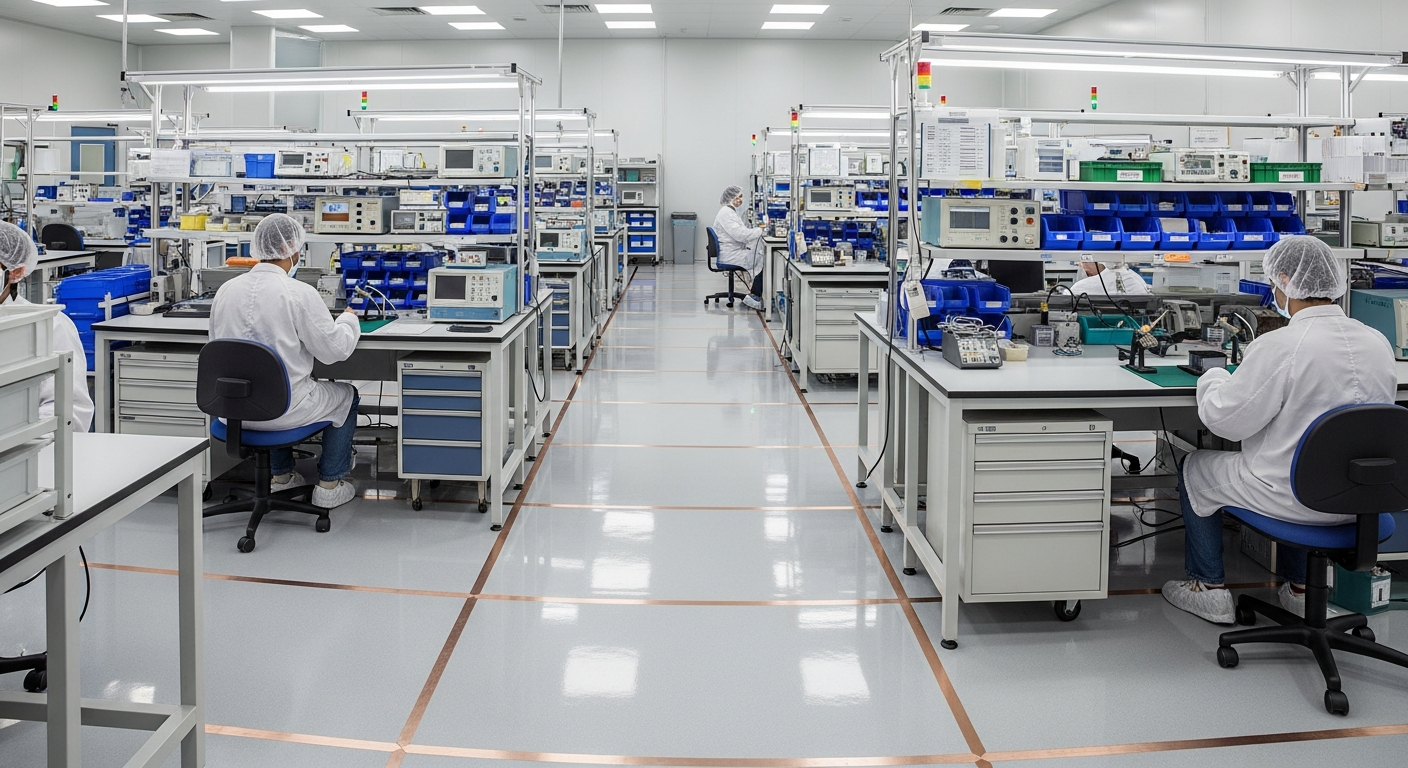
ESD Epoxy Flooring for Electronics Manufacturing: Complete Guide
How static-control epoxy protects sensitive components on the production floor.
Read Article →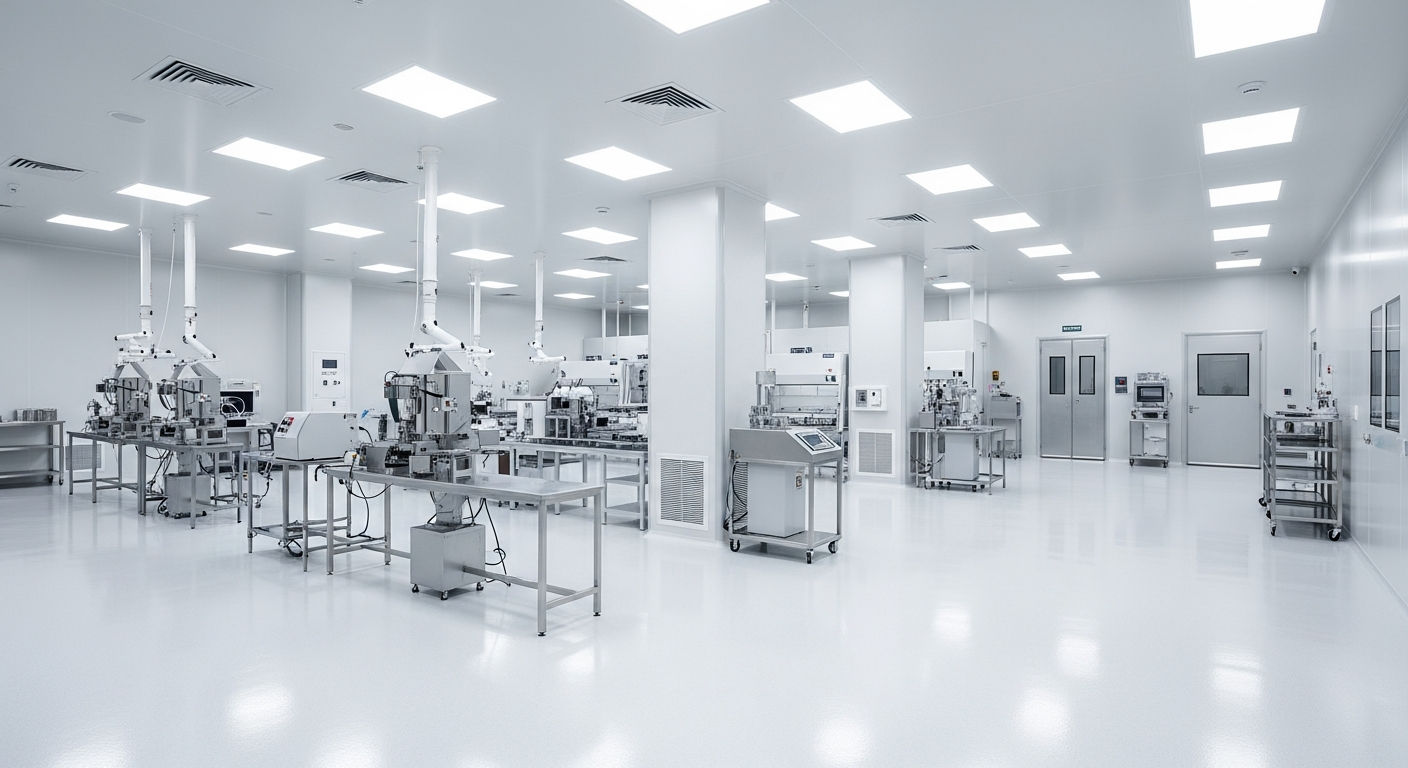
Cleanroom Flooring Solutions for Controlled Environments
Seamless, low-outgassing systems built around ISO 14644 classification requirements.
Read Article →Anti-Static Flooring: The Complete Guide
Dissipative vs conductive systems, grounding, and how resistance is verified.
Read Article →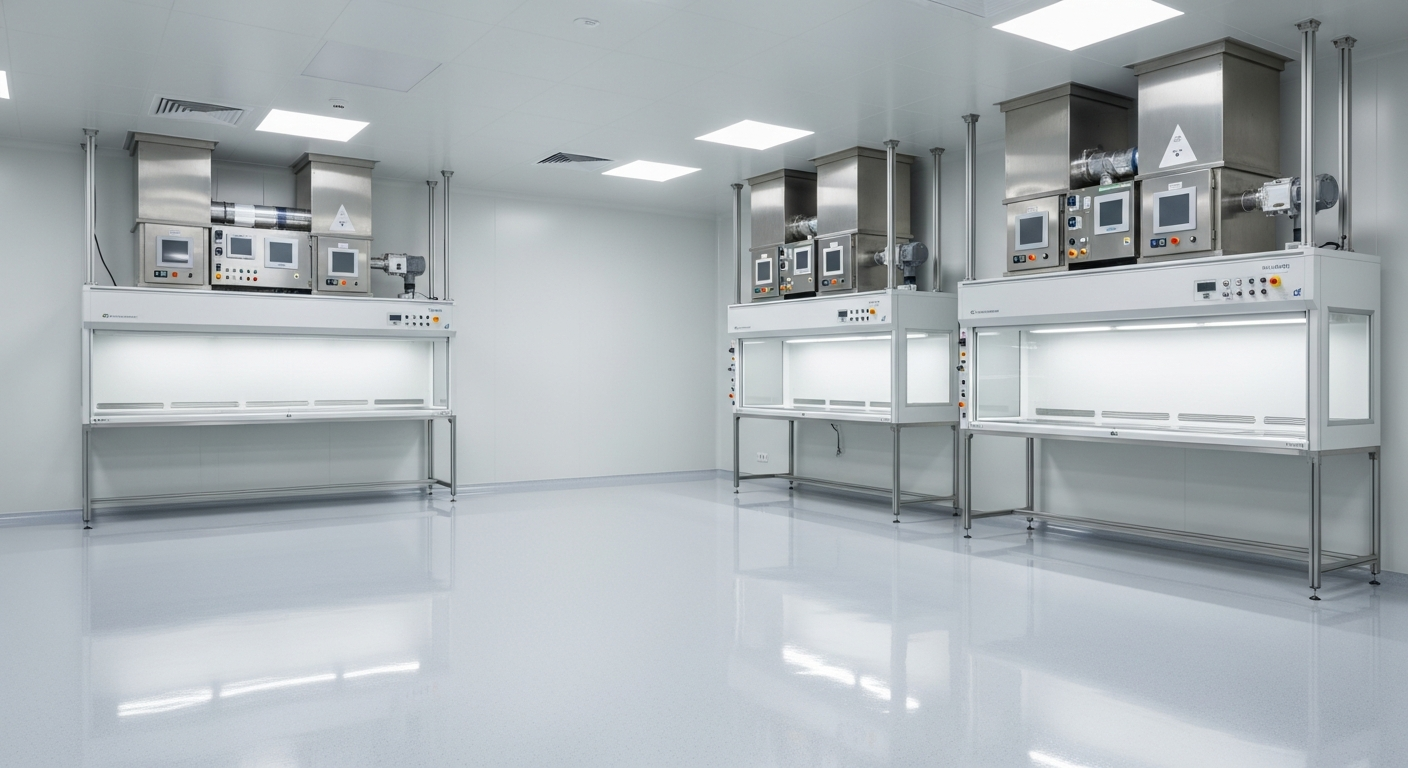
Essential Guide to Clean Room Flooring Systems
Specification, coved base detailing, and maintenance for classified spaces.
Read Article →Serving ESD-Sensitive Facilities Nationwide
DTI works with facility managers, project engineers, and general contractors on ESD flooring installations across the United States. We provide written system specifications and post-installation test documentation for every project.
Request a Project Consultation