Public Transit Flooring Solutions
Engineered for heavy passenger traffic and 24/7 operations. Slip-resistant, weather-resistant flooring for subway stations, bus terminals, and transit hubs.
Transit-Ready Performance
Built to handle the demands of continuous public transportation operations
Continuous service ready
Handles millions of passengers
Safe in all weather conditions
Meets transportation standards
Keeping Transit Moving
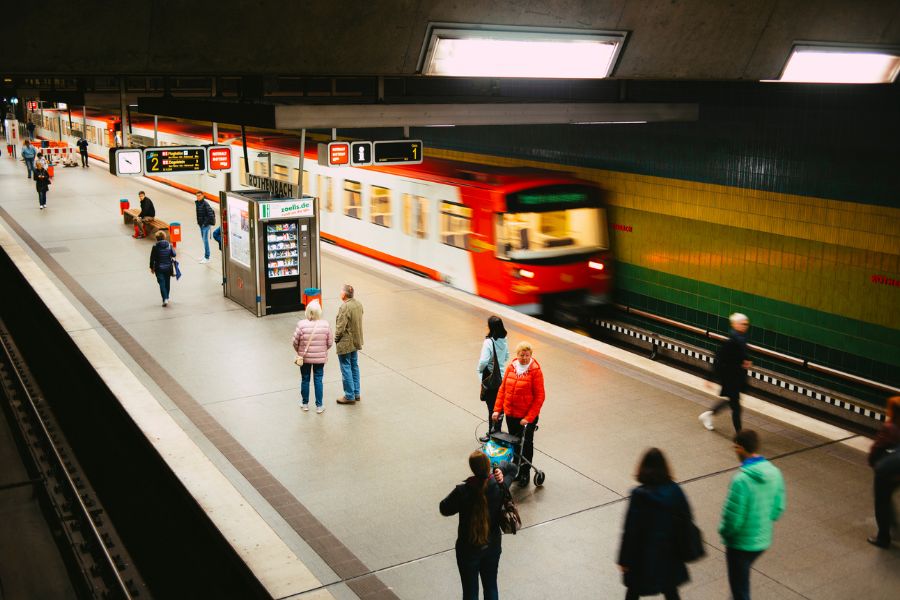
The Right Floor for Every Part of the Station
Concourses, platforms, bus bays, and maintenance depots each see different traffic, weather exposure, and abuse. We specify each zone on its own terms.
Indoor concourses carry the heaviest pedestrian volumes in the system - commuters, rolling luggage, strollers, and cleaning machines moving in every direction from first train to last. Densified polished concrete is the workhorse here: it resists footfall abrasion for decades, reflects station lighting to improve visibility and security-camera clarity, and never needs the wax-and-strip cycle that makes tile expensive to own at transit scale.
Platform edges and street entrances take weather, tracked-in water, and the highest slip-and-fall exposure in the station. We install broadcast-textured coatings with quartz aggregate for wet-condition traction, coordinate with ADA detectable warning surfaces at platform edges, and protect exposed slabs with penetrating sealers that stand up to freeze-thaw cycles, de-icing salts, and constant UV without darkening or peeling.
Vehicle maintenance floors live under 40,000-pound buses, hydraulic lifts, diesel drips, and degreasers. High-build epoxy systems handle the point loads and chemical attack, while line striping separates pedestrian walkways from vehicle lanes and marks bay boundaries - a requirement most transit authority safety audits check first.
Stair treads and ramps concentrate wear into narrow strips and demand the most aggressive texture in the station. Decades-old station slabs often arrive with spalls, worn nosings, and failed patches; our repair and overlay services rebuild the profile before the new wearing surface goes down, and below-grade stations get moisture mitigation so groundwater vapor never blisters the finish.
Transit flooring is ultimately a liability and uptime decision. Every hour a platform is closed costs ridership, and every slip incident on a wet concourse becomes a claim - so we document the slip resistance of every finish we install and build the entire schedule around your service calendar. Work happens in overnight windows between last and first trains, section by section behind barricades, with fast-cure materials that return each zone to passenger service by the morning peak. The result is a station floor that survives millions of annual boardings without the transit authority ever announcing a closure.
Public Transit Flooring FAQs
Common questions about flooring solutions for transit facilities
For high-traffic public spaces, explore our government facility flooring and recreation center flooring solutions.
Transit Flooring Resources
Guides from our team on specifying and maintaining high-traffic public floors
How anti-slip systems are built, measured, and matched to wet, high-traffic environments.
Read the Guide →What the polishing process involves, gloss levels, and why concourses standardize on it.
Read the Guide →How effective sealing protects exposed concrete from weather, salts, and moisture damage.
Read the Guide →Ready to Keep Transit Moving?
Get a free consultation for your public transit flooring needs.