Animal Shelter Flooring Solutions
Create healthy, sanitary environments for animal care with antimicrobial flooring systems. Designed to resist odors, prevent bacterial growth, and withstand intensive cleaning protocols.
Hygienic Flooring for Animal Care
Protecting animals and staff with advanced antimicrobial technology
Active protection against bacteria
No joints for bacteria to hide
Simple sanitization protocols
Safe, comfortable surfaces
Why Animal Facilities Choose Our Flooring
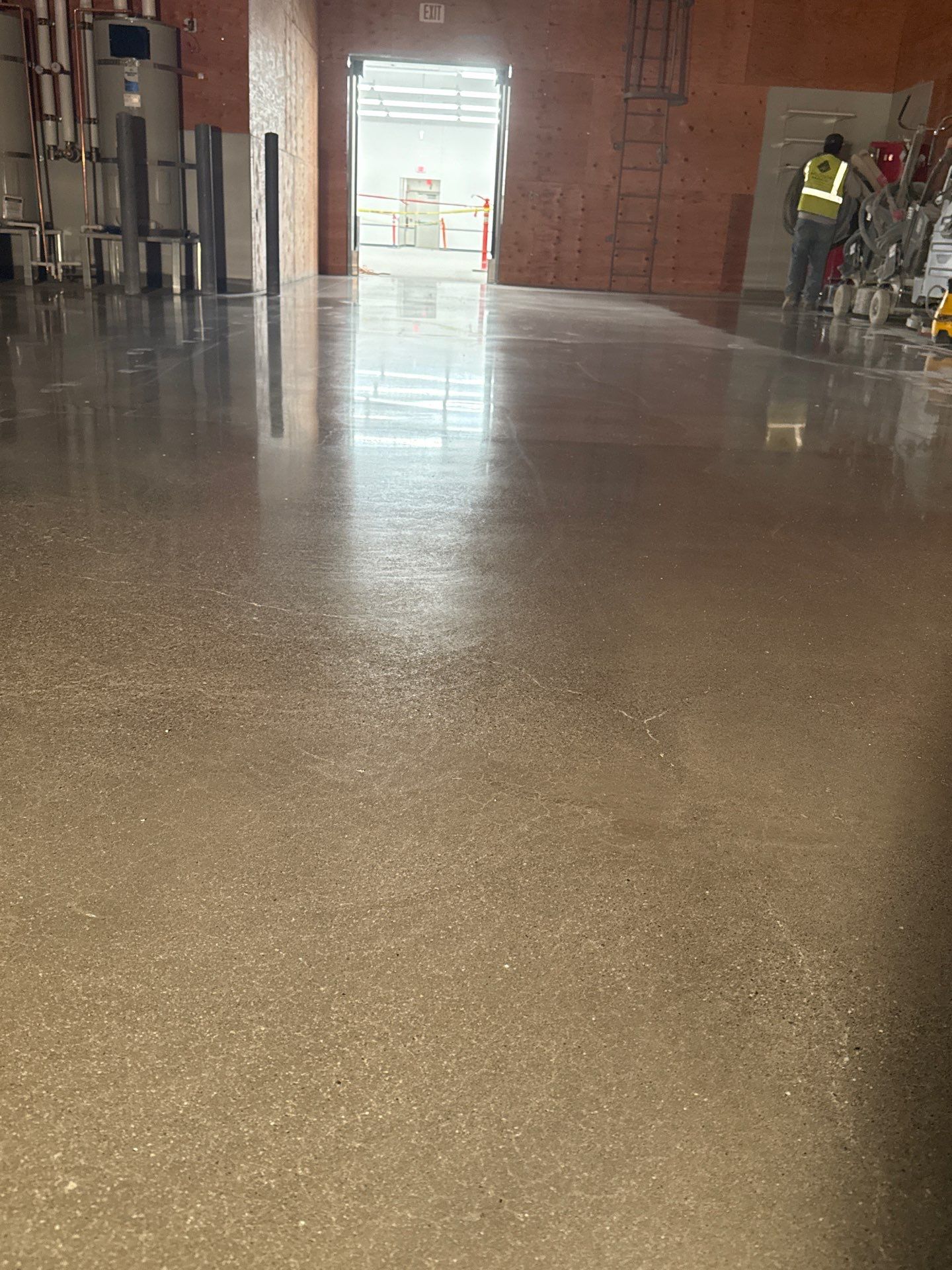
The Right Floor for Every Part of the Facility
Kennel runs, exam rooms, grooming bays, and lobbies each face different moisture, chemical, and traffic demands. We specify each zone on its own terms.
The kennel floor is the facility's front line against odor and disease. We install seamless, antimicrobial epoxy systems with integral cove base that carries the floor up the wall, eliminating the joint where urine and wash water collect. Floors slope to trench drains so hose-down cleaning pushes everything out instead of pooling under animals, and isolation rooms get the most aggressive chemical-resistance spec for repeated disinfection.
Veterinary clinical spaces follow the same specification logic as human medical facilities: non-porous, seamless surfaces that tolerate iodine, pharmaceuticals, and constant disinfection without staining or degrading. Light-reflective finishes improve exam lighting, and the cove-based details match what we install in medical and laboratory facilities.
Wet rooms live under standing water, shampoo, and dropped grooming tools all day. Here we increase surface texture for wet-condition traction, add waterproofing membranes where wash bays sit over occupied space, and detail drains and equipment pads so water always has somewhere to go other than under baseboards.
Public-facing areas need to look welcoming while surviving leashed dogs, accidents, and heavy weekend foot traffic - decorative flake epoxy or sealed polished concrete deliver both. Older shelters converting from painted concrete or tile get our repair and overlay services first, rebuilding urine-damaged and spalled slabs before the new hygienic surface goes down.
Shelter flooring is fundamentally a disease-control and odor-control decision. Porous or cracked floors absorb urine and harbor pathogens like parvovirus that survive ordinary cleaning, which is why seamless, non-porous systems with integral cove base pay for themselves in reduced outbreak risk and lower daily labor. Because most shelters cannot close, we phase installations room by room with low-odor, fast-cure materials, returning each space to animals within a day or two. The result is a facility that smells clean because it actually is clean - all the way into the corners.
Animal Shelter Flooring FAQs
Common questions about flooring for animal care facilities
For durable institutional spaces, explore our government facility flooring and military base flooring solutions.
Animal Facility Flooring Resources
Guides from our team on hygienic, chemical-resistant floor systems
How antimicrobial floor systems actively suppress bacteria and protect sensitive facilities.
Read the Guide →Specifying surfaces that survive bleach, disinfectants, and daily sanitation chemistry.
Read the Guide →Balancing wet-area traction with comfort in facilities that get hosed down daily.
Read the Guide →Ready to Improve Your Animal Facility?
Get a free consultation for hygienic flooring solutions tailored to animal care.