Restaurant Flooring Solutions
Professional flooring for commercial kitchens, dining areas, and service spaces. Slip-resistant, sanitary surfaces that meet health codes and enhance your restaurant';'s operation.
Built for Food Service Excellence
Meeting the demanding requirements of commercial restaurant operations
Meets FDA and local regulations
Repels oils and kitchen spills
Safe even when wet or greasy
Simple sanitization protocols
Complete Restaurant Solutions
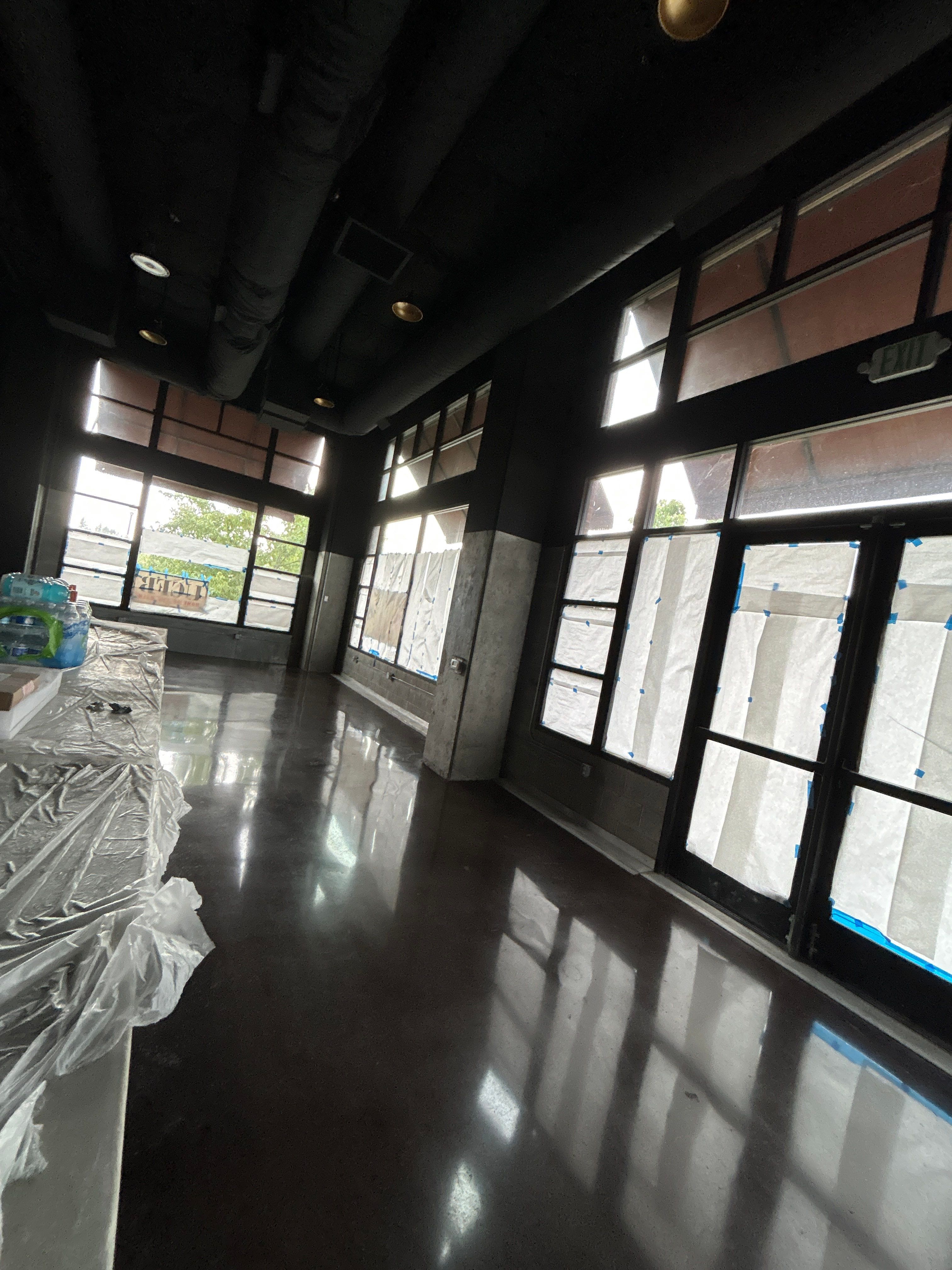
The Right Floor for Every Part of the Restaurant
The cook line, dish pit, walk-ins, and dining room each abuse a floor differently. We specify each zone on its own terms.
The line takes the worst of it: fryer oil, 180°F stock spills, dropped pans, and constant pivoting foot traffic on a greasy film. We install urethane cement or high-build epoxy systems with aggressive slip texture, rated for thermal shock so hot spills and steam cleaning never blister or debond the floor. Integral cove base carries the finish up the wall for a seamless, inspectable junction.
The dish pit lives underwater - hot rinse spray, caustic detergents, and standing moisture that destroys ordinary coatings and quarry tile grout. We slope these floors to drains and use systems that shrug off sustained wet exposure. In walk-in coolers and freezers, low-temperature-cure urethane cement handles the freeze-thaw differential at the door threshold, paired with moisture protection where slabs run damp.
Front of house is a design surface that still has to survive chair drag, spilled wine, and thousands of covers a week. Decorative epoxy and polished concrete deliver the modern, easy-to-clean aesthetic restaurants want without grout lines that trap food and odors. Behind the bar we add slip texture and seal against sticky syrup and citrus acid that etch unprotected concrete.
Restrooms need seamless, cove-based floors that mop clean and pass health inspection; corridors and service alleys need durability where carts and kegs roll daily. In older buildings and second-generation restaurant spaces, our repair and overlay services erase demolished wall lines, old tile mastic, and trench patches before the new finish goes down, so the floor reads as one continuous surface.
Downtime is the real cost of a restaurant flooring project, so we build every schedule around service hours. Fast-cure urethane cement reaches foot traffic in hours, which means a kitchen can close Sunday night and prep Tuesday morning on a brand-new floor. Compare that with quarry tile - the traditional kitchen floor - where grout lines fail one by one, harbor bacteria, and demand constant regrouting. A seamless resinous floor costs about the same installed, eliminates the grout problem entirely, and gives your health inspector one less thing to write up.
Restaurant Flooring FAQs
Common questions about commercial restaurant flooring
Restaurant Flooring Resources
Guides from our team on food service floors
System options, health code requirements, and what a kitchen floor really costs to own.
Read the Guide →How slip texture is specified, measured, and balanced against cleanability in kitchens.
Read the Guide →Why the wall junction and drain details decide whether a kitchen floor passes inspection.
Read the Guide →Ready to Upgrade Your Restaurant?
Get a free consultation for professional restaurant flooring solutions.